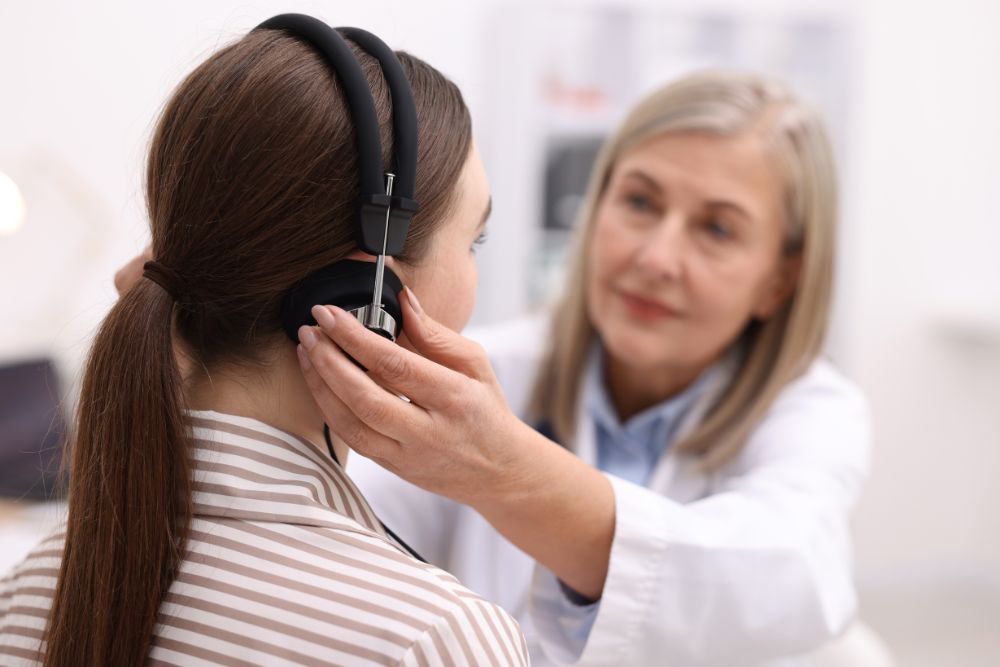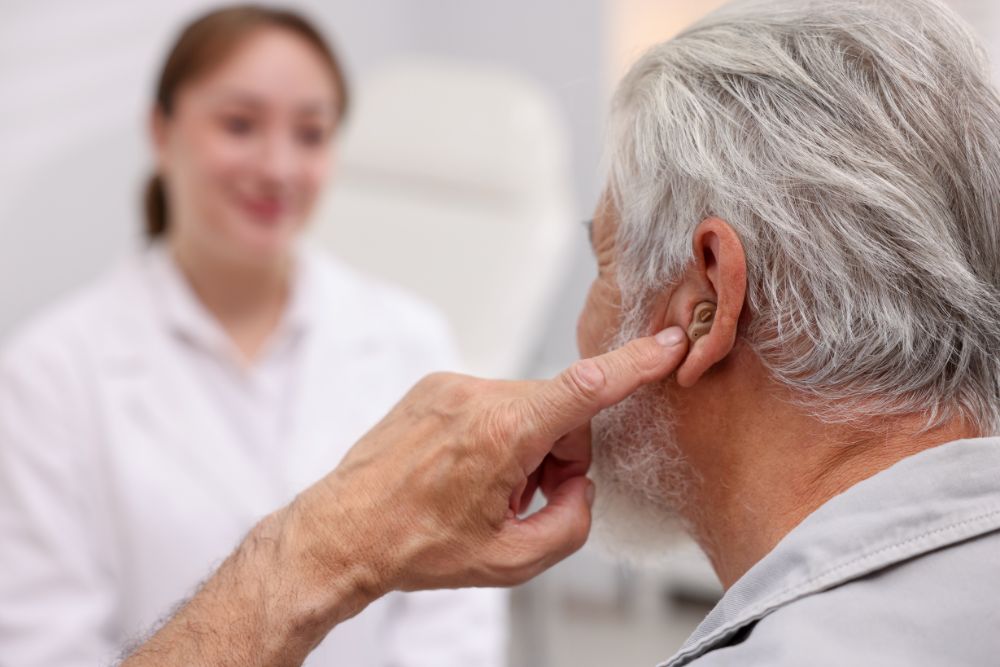

Hearing loss can be a very frustrating condition, for all parties involved. As humans we thrive on communication, so hearing loss doesn’t just affect the person who has a hearing impairment. Hearing loss also affects everyone else around them. Communication can become difficult as well as frustrating, but there are communication techniques that can be implemented that can help re-establish your connections with others.
Looking for some ways to open up the lines of communication? Check out our hearing loss communication tips that you can use if you are hard of hearing, or you know someone who has a hearing problem.
For People with Hearing Loss
• If you have hearing aids, wear them. Don’t be ashamed to wear your hearing aids. They are meant to give you back some degree of hearing, making it easier to communicate with others.
• Don’t hide your hearing impairment from others. If you let the other party know that you have hearing loss, they can take the proper steps necessary to accommodate you.
• To ensure that you stay on track, repeat back what you hear during a conversation. By doing this, you know you are following the conversation and will help prevent you from getting too lost during your discussion.
• Be prepared for noise and take the proper precautions by avoiding large, noisy crowds. If you are attending a religious service or a lecture, make sure you sit up front. Keep yourself close to the sound, and try to keep noise behind you.
• Don’t converse with others from across the room. Keep your conversations intimate and watch the other parties face. Hearing becomes much easier when you are able to see the person you are talking to.
Family/Friends Hearing Loss Communication Strategies
• Be patient and understanding when speaking to a person with hearing loss. Remember, hearing loss can be a debilitating condition for some people, and they are just as frustrated, so have compassion.
• Reduce the amount of background noise as much as possible. If you are conversing with a person with hearing loss, shut off the television or radio. If you are in a noisy environment, try to sit somewhere away from the crowd.
• Don’t scream or shout when speaking to someone with hearing loss, instead speak clearly. While you may think this will help, shouting distorts your speech and will make your words harder to decipher.
• When conversing with a person with hearing loss, keep your conversations close and look at their face. Make sure you slow down your speech, and if you are asked to repeat yourself, repeat it slower or reiterate your statement.
• Keep your expectations in check and reasonable. If someone is wearing hearing aids, don’t assume that they make a person hear normally again. Hearing aids can make communication easier, but they do not return a person’s hearing back to 100 percent.
Frequently Asked Questions
People with hearing loss should wear their hearing aids consistently, not hide their hearing impairment, and use techniques like repeating back what they hear to stay engaged in conversations. Additionally, avoiding noisy environments and sitting close to sound sources can help improve communication.
Informing others about hearing loss allows them to make necessary accommodations, such as speaking clearly, facing the person directly, and reducing background noise. This openness helps create smoother and more effective communication for everyone involved.
Family and friends should be patient and compassionate, reduce background noise like televisions or radios, avoid shouting, and speak clearly. They should also keep conversations close, maintain eye contact, and slow down their speech if needed to accommodate the person with hearing loss.
Shouting distorts speech and can make it harder for the person with hearing loss to understand what is being said. Speaking clearly and slowly is more effective in aiding comprehension than raising one's voice.
Reducing background noise by turning off televisions or radios, avoiding large noisy crowds, and sitting close to sound sources such as the front rows in lectures or religious services can significantly improve a person with hearing loss's ability to communicate effectively.
Hearing aids enhance a person's ability to hear but do not restore hearing to normal levels. They help make communication easier but should not be expected to return hearing to 100 percent functionality.