
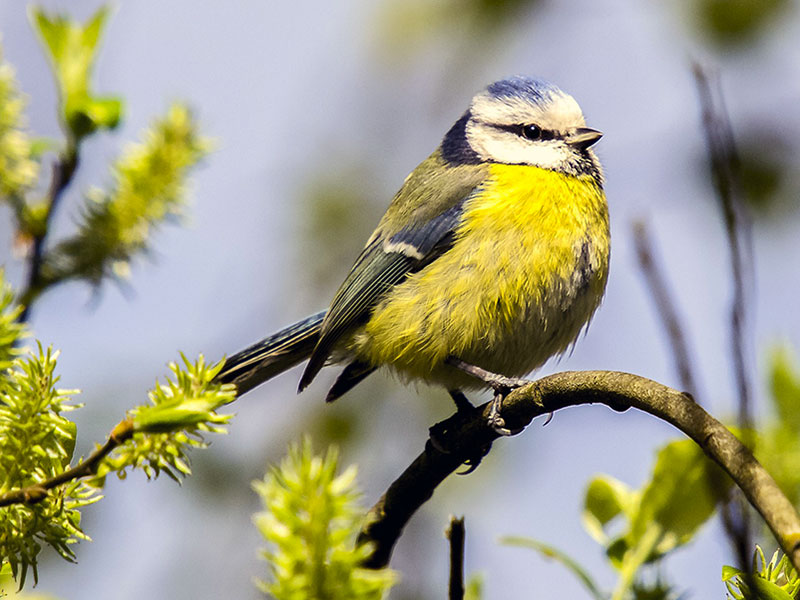
There’s no better way to add some sound to your day than listening to the sounds of birds. Their cooing, tweeting, hooting, chirping, trilling, and whistling are sure to brighten anyone’s day. Luckily, it’s relatively simple to attract these beautiful songbirds to your yard. There are plants in which you can plant that will attract birds that will provide you with a symphony of sounds. Not only will these plants be a treat to your ears, but they will bring visual beauty to your garden and yard.
Put your ears and/or hearing aids to the test while you enjoy bird-watching. Bring sounds to your yard by giving these bird-beckoning plants a place in your garden. Check out this list of some of the top plants that attract songbirds.
Trees
- Bayberry
- Cedar (Juniper)
- Cherry
- Crab Apple
- Dogwood
- Eastern Hemlock
- Evergreen
- Hackberry
- Hawthorn
- Holly
- Japanese Maple
- Mimosa
- Plumb
- Red Mulberry
- Red Twig Dogwood
- Serviceberry
- Sumac
Vines and Shrubs
- Beautyberry
- Blackberry
- Bunchberry
- Boxwood
- Crossvine
- Elderberry
- English Ivy
- Evergreen Smilax
- Fuchsia
- Grape
- Hibiscus
- Holly
- Honeysuckle
- Juniper
- Multiflora Roses
- Myrtle
- Oregon Grape
- Peruvian Lily
- Pigeonberry
- Raspberry
- Red Flowering Currant
- Silverberry
- Spicebush
- Staghorn Sumac
- Trumpet Vine
- Viburnum
- Virginia Creeper
- Weigela
- Witch Hazel
- Yew
Flowers
- Aster
- Bachelor’s Button
- Beard Tongue
- Black-Eyed Susan
- Butterfly Gaura
- California Poppy
- Chilean Mitre
- Chrysanthemum
- Cockscomb
- Columbine
- Coreopsis
- Cornflower
- Cosmos
- Crocosmia
- Daisy
- Fairy Fan
- Floss Flower
- Goldenrod
- Lavender
- Lyreleaf Sage
- Marigold
- Poppies
- Purple Coneflower
- Sunflowers
- Zinnias
For best results, plant flowers to attract birds as well as shrubs/trees. Having a healthy balance will make your yard appear more attractive to birds. Also, it is important to note that not all of the plants on this list may work for your region and climate. So before you add any of these plants to your garden and yard, be sure to check with your local gardening/farming resource and do some research ahead of time. For best results, you do not want to plant outside of your region. Otherwise, you put yourself at high risk of wasting your time and money.
Frequently Asked Questions
Songbirds are attracted to a variety of plants including trees, shrubs, vines, and flowers. Popular choices from each category include Bayberry, Cedar, and Cherry trees; Beautyberry, Blackberry, and Honeysuckle shrubs; and flowers such as Aster, Black-Eyed Susan, and Sunflowers. Planting a mix of these will create a welcoming habitat for birds.
Planting a healthy balance of flowers, shrubs, and trees offers diverse food sources and shelter options that appeal to different species of songbirds. This diversity not only attracts more birds but also helps sustain them throughout the seasons, enhancing the overall bird-watching experience in your yard.
Not all plants are suitable for every region or climate. Some plants may not thrive outside their ideal environment, which could result in wasted effort and resources. It is essential to consult local gardening or farming experts and do research to choose plants that are adapted to your specific area for best results.
Besides attracting birds with their food and shelter, these plants add visual beauty and diversity to your garden. Their flowers, berries, leaves, and overall forms enrich the landscape, making your yard aesthetically pleasing while inviting the natural symphony of birdsong.
Before planting, consider your local climate and soil conditions to ensure the plants will thrive. Also, research the specific needs and maintenance of each plant, and check if they are native or non-invasive species to your area to avoid harming the local ecosystem.
To attract the most birds, combine trees, shrubs, and flowers in your planting plan. This creates multiple layers of habitat and food sources. Additionally, selecting native plants suited to your region increases success in providing reliable nourishment and shelter for local bird species.