
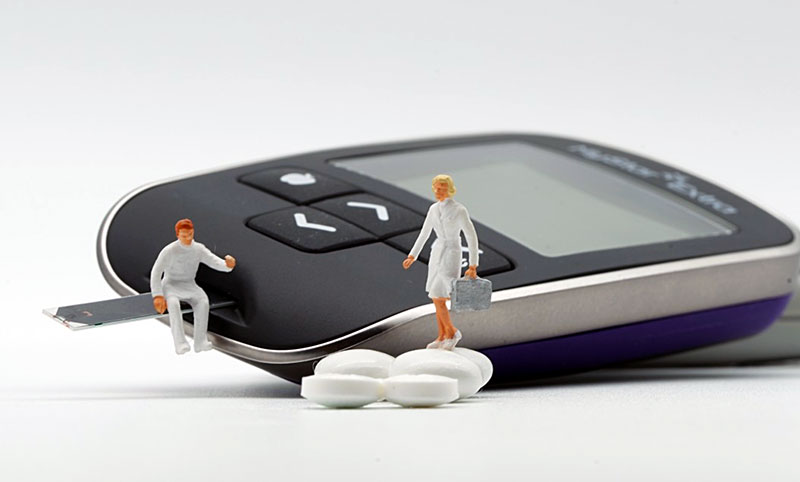
One of the most important yet neglected topics among diabetes patients is the connection between diabetes and hearing loss. Fortunately, current medical research is bringing up the topic as we learn more. Long-term studies have shown that patients with a history of diabetes are twice as likely to develop hearing issues. In comparison, prediabetic patients have been shown to have a 30% higher risk of hearing loss.
While the connection between hearing loss and diabetes has been acknowledged for years, it has taken a long time for research to uncover the reasons why. So far, there have not been any straightforward answers, as the mechanisms involved inside the human body are complicated, with many contributing factors.
Both human and animal studies have shown a clear correlation between hearing loss and small vessel disease-related nerve damage, cell death, and oxidative stress. One of the most significant causes of hearing loss is microvascular complications resulting in reduced circulation and diminished blood flow to the ears. The most alarming findings show that some of these issues can be progressive and permanent.
The good news is that treatment options are available, and many of the recommendations for helping to maintain hearing health are easy to follow. Doctors advise maintaining a healthy diet, keeping blood sugar under control, moderate exercise, Re-evaluating medications for efficacy, and regular medical check-ups and evaluations. Many peer-reviewed studies have pointed to a Mediterranean diet as being beneficial to those who have diabetes.
Whether you are a diabetes patient or not, it’s vital to schedule regular hearing tests to help treat or prevent hearing issues later on. If you have been recently diagnosed with diabetes, it is highly recommended that you schedule a hearing test as soon as possible. This can help establish a baseline that will help in the early detection of any hearing-related issues.
Frequently Asked Questions
Diabetes increases the risk of hearing loss primarily through microvascular complications, which lead to reduced blood flow and circulation to the ears. This diminished circulation causes nerve damage, cell death, and oxidative stress in the auditory system, contributing to progressive and potentially permanent hearing issues.
Yes, prediabetic patients have a 30% higher risk of developing hearing loss compared to individuals without prediabetes. This suggests that even early stages of impaired blood sugar regulation can affect hearing health and underscores the importance of monitoring hearing in these patients.
Regular hearing tests are crucial for diabetes patients to establish a baseline and monitor any changes in hearing over time. Early detection of hearing issues allows for timely treatment, which can help prevent progression or permanent damage, improving overall quality of life.
Maintaining a healthy diet, especially a Mediterranean diet, controlling blood sugar levels, engaging in moderate exercise, reviewing medications for effectiveness, and attending regular medical check-ups are all recommended to help preserve hearing health in patients with diabetes.
Hearing loss related to diabetes is often progressive and can become permanent due to nerve damage and reduced blood flow. While some treatment options can help manage and slow the progression, early diagnosis and intervention are critical to preserving hearing function.
The main mechanisms include small vessel disease causing reduced blood flow to the ear, nerve damage, cell death, and oxidative stress. These collectively impair the auditory system's ability to function properly, leading to hearing loss.
Yes, regular hearing tests are beneficial for everyone, not just those with diabetes. Early detection of hearing loss can facilitate timely treatment and prevent further deterioration regardless of diabetes status.