
Do you find yourself saying “what” a lot? No matter the reason, there may be times when you may need a bit of a boost in regards to hearing. Whether that may be a way to improve your own listening skills or just a way to hear a little better, having a few hearing hacks up your sleeve doesn’t hurt. While hearing loss, depending on the severity, can range from a minor nuisance to something that severely hinders your ability to function, there are hearing hacks available that can make your life a whole lot easier.
We live in a noisy world, so if you want to be on the path to better hearing and better health, check out these hearing hacks to help you out along your way.
• Love listening to music? If so, make sure you practice the 60/60 rule. To do so, make sure your volume level is no higher than 60 percent of the maximum volume, and that you listen to your music for no longer than 60 minutes to help lessen your chances of hearing loss.
• Avoid hearing loss by protecting your ears with earplugs. If you find yourself in an environment that exposes you to sounds higher than 85 decibels, you should invest in a pair of earplugs. Your local hearing care provider can help you with a pair of custom earplugs that can be customized to suit your needs.
• Have problems sleeping because you can’t turn off your brain? Turn on some white noise and let your ears override your brain. White noise, according to research, can switch off your busy brain and help you calm down enough to fall asleep.
• When you find yourself in a noisy environment, use the law of physics and practice the inverse square law to help save your hearing. The inverse square law states that by doubling your distance from the source of a sound, you can lower the intensity of the sound by 75 percent.
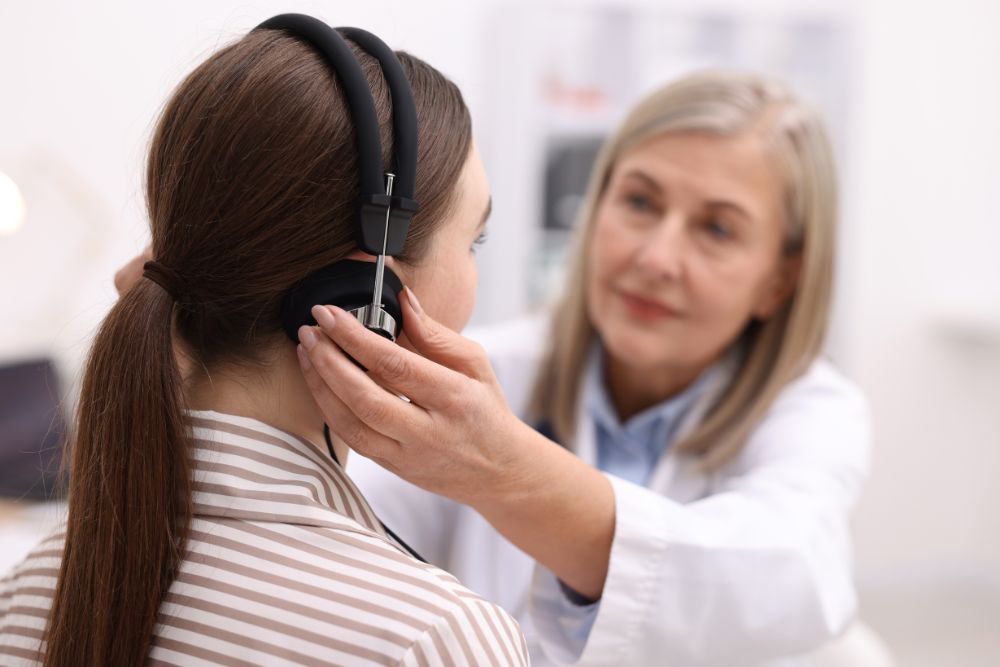
• Do you suspect you may have some degree of hearing loss, but aren’t sure? Online some websites and applications offer ways to check your hearing online. While this can never replace a hearing care professional, it can help you test your hearing in a comfortable environment. However, if the test reveals hearing loss, make sure to schedule an appointment with your local hearing care provider as soon as possible.
Frequently Asked Questions
The 60/60 rule involves listening to music at no more than 60 percent of the maximum volume for no longer than 60 minutes at a time. This practice helps reduce the risk of hearing loss by limiting exposure to loud sounds and preventing ear fatigue over extended periods.
Earplugs act as protective devices that reduce the volume of harmful sounds, especially in environments with noise levels above 85 decibels. Custom earplugs fitted by a hearing care provider can offer tailored protection, minimizing the risk of permanent hearing damage.
The inverse square law means that by doubling the distance from a sound source, the intensity of the sound decreases by approximately 75 percent. Applying this in noisy environments can significantly reduce the volume reaching your ears, thereby protecting your hearing.
White noise can mask disruptive sounds and help override an active brain by providing a steady, soothing background sound. This calming noise helps reduce mental chatter, making it easier to fall asleep and improving overall sleep quality.
Online hearing tests can be a convenient first step to check for potential hearing loss in a comfortable setting. However, they cannot replace professional evaluations, and if a test indicates hearing loss, it is important to consult a hearing care provider for a comprehensive assessment.
You should consider using earplugs whenever you are exposed to sounds above 85 decibels, such as at concerts, construction sites, or loud work environments. Using earplugs during these times helps prevent noise-induced hearing damage.
Improving listening skills can involve strategies such as positioning yourself away from noise sources, using hearing protection when needed, and focusing on speakers by minimizing distractions. These techniques, along with understanding how sound intensity decreases with distance, can enhance your ability to hear in challenging environments.