The weather associated with winter is harsh, especially here in New York. Winter weather is often cold and wet, which can create some issues for your health. In fact, winter weather can even be harmful to your ears and affect your ability to hear. While it is virtually impossible to hermit yourself off from the world all winter long, with the proper knowledge and foresight, you can still enjoy the winter weather and keep your ears healthy at the same time.
To help keep both you and your ears healthy this season, check out these helpful winter ear care tips.
Cover Your Ears
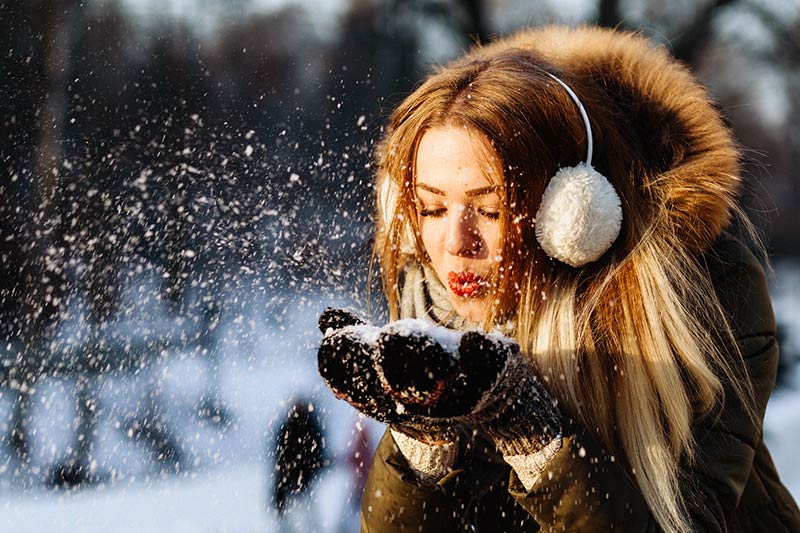
Wearing scarves, earmuffs, and hats are not just a fashion statement during the winter, they actually have a function. You need these items to help protect your sensitive ears from the cold and wet winter weather. So when you spend time outdoors this winter, be sure to protect your ears to help keep them warm and dry to reduce your risk of exostosis. Exostosis happens when the ear is repeatedly exposed to the cold. The cold stimulates abnormal bone growth that can narrow your ear canal and can block the eardrum, affecting your hearing and increasing your risk of infection.
Use Ear Protection
Don’t just cover up your ears this winter to help protect them from the cold, remember that operating machinery can wreak havoc on your hearing. Snow blowers are often used during the winter months to help limit the amount of manual labor needed to remove snow. However, snow blowers are loud. So loud, in fact, they can easily exceed 100 decibels, which is loud enough to do damage to your sensitive ears. If you are going to use a snow blower this winter season to save your back, make sure you save your ears as well by wearing earplugs, noise-reducing headphones, or earmuffs.
Watch Out for Ice
With winter come wet weather and colder temperatures, which is a breeding ground for ice. While these conditions are dangerous for everyone, according to a study done at John Hopkins in 2014 people with impaired hearing are three times more likely to suffer from a dangerous fall than those without hearing loss. While falling on ice is dangerous for everyone, especially since hearing loss can occur from sustaining an injury, if you have impaired hearing make sure you are extra cautious when you are outside during the winter. Stay alert and watch out for slippery steps, hidden ice patches, and snow-covered objects.
Be Healthy and Stay Healthy
Bundling up so we can stay warm when we are outside is a necessity during the winter months, we know this. However, you need to do more than just try to stay warm and dry to keep your ears healthy. You should also maintain a healthy diet and exercise regularly. While this can be difficult to do during the winter months, staying eating healthy and staying active can go a long way in the fight against infections. At the same token, if you come down with the cold or flu, make sure you treat it immediately. If you develop an ear infection, or you can’t seem to fight off your cold, make an appointment with your doctor.
Frequently Asked Questions
Covering your ears during winter with scarves, earmuffs, or hats helps protect them from cold and wet conditions. This prevents exostosis, a condition where repeated cold exposure causes abnormal bone growth that narrows the ear canal, potentially blocking the eardrum and increasing the risk of infection.
Snow blowers produce noise that can exceed 100 decibels, which is loud enough to cause damage to your sensitive ears. Using earplugs, noise-reducing headphones, or earmuffs while operating snow blowers helps protect your hearing from this harmful noise exposure.
People with impaired hearing are three times more likely to experience dangerous falls on ice compared to those without hearing loss. Slips and falls can cause injuries that may worsen hearing loss, so individuals with hearing issues should be extra cautious and watch for slippery or hidden ice during winter.
Maintaining a healthy diet and regular exercise can strengthen your immune system, helping to prevent infections that may affect your ears. Additionally, promptly treating colds or flu and consulting a doctor if you develop ear pain or infection is essential for keeping your ears healthy in winter.
Exostosis is the abnormal growth of bone in the ear canal caused by repeated exposure to cold water or cold air. During winter, exposure to cold and wet conditions can stimulate this bone growth, narrowing the ear canal and potentially impairing hearing or causing infections.
Yes, by using proper protective measures such as covering your ears with hats or earmuffs, using ear protection around loud machinery, staying healthy through diet and exercise, and being cautious of winter hazards, you can enjoy the season while keeping your ears healthy.