
Tinnitus, or ringing in the ears, is a condition that can drive one mad. For some people, their tinnitus can come and go, while others suffer from a non-stop ringing or buzzing in their ears. In some instances, many sufferers have noticed that their symptoms get worse after ingesting certain foods. While this condition is still not well-understood and there is no definitive connection between food and tinnitus, for some people, certain foods seem to make their tinnitus worse.
Wondering what foods to avoid when you have tinnitus? If so, check out this list of foods that are suspected of making your tinnitus symptoms worse.
• Sugar – Having excess sugar in the blood can disrupt the inner workings of the ear. Ingesting too much sugar can disrupt the flow of oxygen and glucose to the brain, disrupting the hearing process.
• Salt – Salt can increase tinnitus symptoms by restricting blood vessels and increasing blood pressure, affecting the flow of blood to the ears.
• Caffeine – Caffeine, like salt, also restricts blood flow and can increase blood pressure. However, this ingredient seems to help some people with their tinnitus, while it can exacerbate tinnitus in other people.
• MSG – Otherwise known as Monosodium Glutamate, this favorite flavor enhancer is a neurotransmitter can increase the levels of electrical activity in the auditory cortex and the brain.
• Sulfite – A food preservative found in chocolate, bacon, wine, and dried fruit, for those who are intolerant to sulfite, ingesting these foods can increase tinnitus symptoms.
• Trans/Saturated Fats – Reduced blood flow can increase tinnitus symptoms, and both saturated and trans-fats affect your cardiovascular system and reduce the flow of blood.
Now that you know what to avoid, here is a list of foods that can help tinnitus.
• Salmon – High in B12, which can help decrease the likelihood of developing tinnitus, especially for those who are already at risk.
• Mackerel – High in B12, which can help decrease the likelihood of developing tinnitus, especially for those who are already at risk.
• Chicken – Having a zinc deficiency can increase the likelihood of developing tinnitus, especially for those who are already at risk. However, chicken is rich in zinc and can help defend against this.
• Red Meat – High in B12, which can help decrease the likelihood of developing tinnitus, especially for those who are already at risk.
• Lamb – Having a zinc deficiency can increase the likelihood of developing tinnitus, especially for those who are already at risk. However, lamb is rich in zinc and can help defend against this.
• Cashews – Having a zinc deficiency can increase the likelihood of developing tinnitus, especially for those who are already at risk. However, cashews are rich in zinc and can help defend against this.
• Yogurt – Good source of potassium, which is helpful for the regulation of fluid flow throughout the body. Potassium can help get rid of excess fluid in the ears and body.
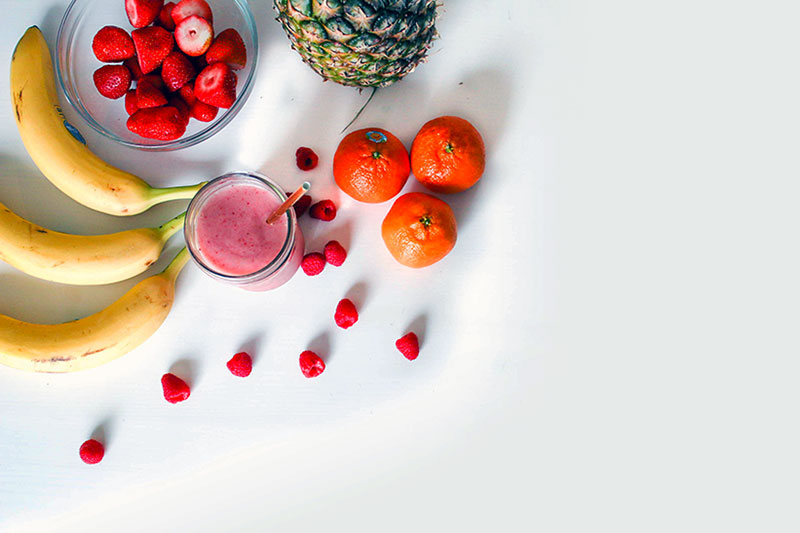
• Pineapple – Pineapple is excellent at reducing inflammation in the body, including the ears. Less swelling in the ears can help lessen tinnitus symptoms.
• Bananas – Good source of potassium, which is helpful for the regulation of fluid flow throughout the body. Potassium can help get rid of excess fluid in the ears and body.
• Sweet Potatoes – Good source of potassium, which is helpful for the regulation of fluid flow throughout the body. Potassium can help get rid of excess fluid in the ears and body.
• Spinach – Good source of potassium, which is helpful for the regulation of fluid flow throughout the body. Potassium can help get rid of excess fluid in the ears and body.
Frequently Asked Questions
Certain foods are suspected of increasing tinnitus symptoms, including sugar, salt, caffeine, MSG, sulfites, and trans or saturated fats. These ingredients can affect blood flow, increase blood pressure, or stimulate brain activity related to auditory processing, potentially making tinnitus worse in some individuals.
Excess sugar in the blood can disrupt the inner workings of the ear by impairing the flow of oxygen and glucose to the brain. This disruption interferes with the hearing process and can exacerbate tinnitus symptoms.
Yes, caffeine's effect on tinnitus varies by individual. While caffeine restricts blood flow and can increase blood pressure, potentially worsening symptoms for some, others find that it helps improve their tinnitus. Its impact is not the same for everyone and should be monitored personally.
Nutrients like vitamin B12, zinc, potassium, and anti-inflammatory compounds can help reduce the risk or severity of tinnitus. Foods rich in B12 (such as salmon, mackerel, red meat), zinc (like chicken, lamb, cashews), potassium (bananas, yogurt, spinach, sweet potatoes), and anti-inflammatory foods (pineapple) are beneficial.
Potassium helps regulate fluid flow throughout the body, including the ears. Proper potassium levels can reduce excess fluid in the ears, which may help alleviate tinnitus symptoms by decreasing pressure and swelling that contribute to ear ringing or buzzing.
Yes, some preservatives like sulfites found in chocolate, bacon, wine, and dried fruit can increase tinnitus symptoms in people who are intolerant to them. These additives may exacerbate ear inflammation or sensitivity, leading to worse tinnitus.
Trans and saturated fats negatively affect cardiovascular health by reducing blood flow, which can worsen tinnitus symptoms. Reduced blood circulation to the ears can increase ringing or buzzing sensations experienced in tinnitus sufferers.
Yes, foods with anti-inflammatory properties, such as pineapple, can decrease swelling and inflammation in the ears. Reducing ear inflammation may help lessen tinnitus symptoms by relieving pressure and irritation in auditory tissues.