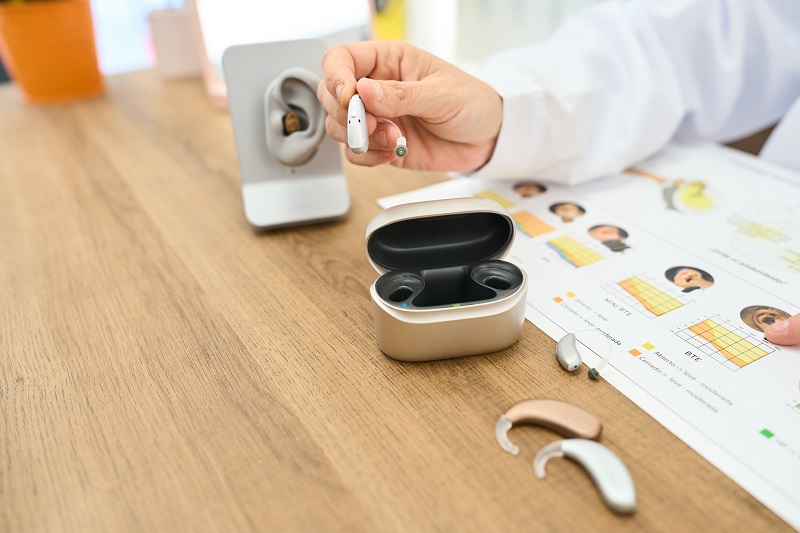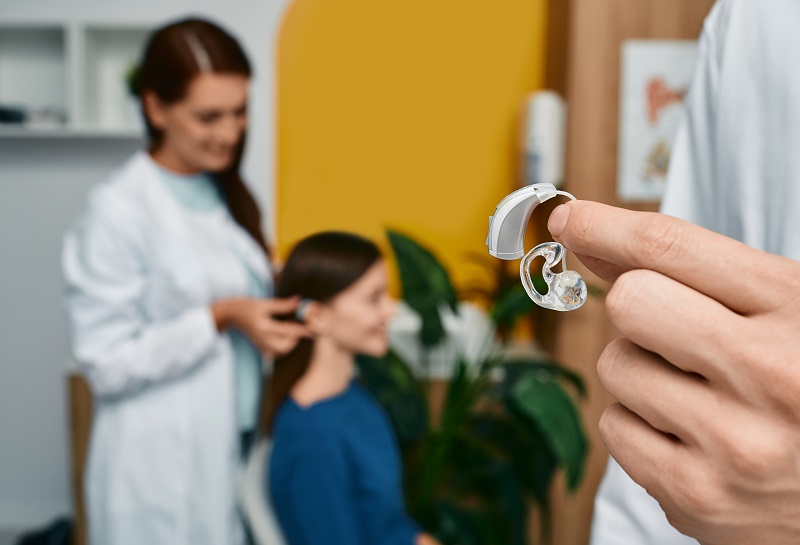

Even though the weather has been quite unpredictable lately, one thing is for sure, summer is approaching, and the temperatures are starting to rise. However, for those who wear hearing aids, the warmer weather can pose a problem. Humidity, heat, as well as air conditioning, can all wreak havoc on a person’s hearing aids. Because of this, your hearing aids will need some extra TLC during the summer months.
If you wear hearing aids, don’t let the heat and humidity ruin your chances of being able to hear the sounds of summer. Here are some helpful summer hearing aid tips that can help you keep your hearing aids in tip-top shape.
• Make sure you apply an anti-microbial product to your hearing aids every few days. By doing so, you can help keep your hearing aids free and clear of bacteria and other microbes that can cause infection.
• Walking in the rain during the summer can feel wonderful, but if you are wearing hearing aids make sure you wear a hat or use an umbrella to keep your hearing device dry. Water and hearing aids don’t mix.
• If you ever get stuck in the rain, or if it’s extremely hot outside, make sure you remove your hearing aids. The same rule applies if you are exercising. Sweat and moisture of any kind can damage your hearing aids.
• Humidity and moisture can build up in your device throughout the day, so at nighttime make sure you keep the battery door open. By doing this, you can relieve the built-up moisture by allowing fresh air to flow through your hearing aid(s).
• During the summer, avoid storing your hearing aids near sources of heat, in your cars glovebox, and out of direct sunlight. Because excessive heat can damage your hearing aids, don’t store your hearing aids near sunny windows or outdoors in the sun.
• If you are planning on applying bug repellent or sunscreen, make sure you don’t have your hearing aids on when you do this. The oils from the sunscreen and repellent may damage your device. If you are wearing them, make sure you remove them before you do so and that you are dry before you put your hearing aids back on.
• Watch out for the accumulation of moisture and keep your hearing aids away from the water. If you plan on going for a refreshing swim, make sure you remove your hearing aids first before you play in the water. Keep the battery door open and store your hearing aid(s) somewhere dry, or if you own one, place them in a dehumidifier.
• If you happen to forget that you have hearing aids on and get them wet, make sure you immediately turn off the device(s) and remove the battery. Gently towel dry and then if you have one, place it in a dehumidifier. Don’t test your hearing aid(s) until a few hours have passed. If you continue to have problems with your hearing aid(s), consult with your audiologist.
Frequently Asked Questions
Applying an anti-microbial product to your hearing aids every few days helps keep them free from bacteria and microbes that can cause infections. This regular maintenance is crucial during summer months when sweat and moisture can promote microbial growth.
If you get caught in the rain, immediately remove your hearing aids to prevent water damage. Always use protection like a hat or umbrella to keep your devices dry during summer rain.
Keeping the battery door open at night allows moisture that has built up during the day to evaporate, letting fresh air circulate and preventing damage caused by humidity inside the device.
You should always remove your hearing aids before applying sunscreen or bug repellent. The oils and chemicals from these products can damage the devices, so ensure your skin is dry before reinserting them.
Avoid storing hearing aids near heat sources like car gloveboxes, sunny windows, or outdoors in direct sunlight. Excessive heat can damage the sensitive components of the devices.
If your hearing aids get wet, immediately turn them off, remove the batteries, and gently towel dry them. Placing them in a dehumidifier and waiting a few hours before testing them helps prevent long-term damage. Consult an audiologist if problems persist.
It is recommended to remove hearing aids during exercise because sweat and moisture can damage the devices. Protecting your hearing aids from moisture ensures their longevity during hot, active days.