With the New Year quickly approaching, now is the time to start your list of resolutions for the upcoming year. The end of the year is an excellent time to look back at where’ve you’ve been, the lessons you’ve learned, and to start thinking about your goals and plans for 2020. Usually, self-improvement is on the list, but often it comes in the form of getting into shape or making healthier food choices. While having healthy hearing resolutions is usually nowhere to be found. The ability to hear is a gift, and you should try to preserve it for as long as possible.
Everyone, young and old, is at risk for hearing loss, but luckily, noise-induced hearing loss can be preventable if the proper precautions are taken. If you want to start 2020 off on the right foot, check out these healthy hearing resolutions that you should implement for the New Year.
1. To know whether or not your hearing is at risk, you need to know how loud is too loud. Unfortunately, any sound over 85 decibels for prolonged periods can potentially damage your hearing. While this can be difficult to determine off-hand, there are apps available on your smartphone that can read and measure the decibel levels of your environment. For the New Year, aim to know how loud is too loud so you can protect yourself.
2. Aim to have earplugs on hand, so you can be prepared to protect your ears from loud noise and hearing damage. Every day is a new potentiality for hearing loss, but having an inexpensive pair of earplugs on hand can go a long way in protecting your hearing. This way, if you go to a concert, find yourself stuck near a construction site, or are doing any loud activity, you can protect your hearing. Purchasing a box off the internet and keeping them in an easily accessible place in your home is an easy way to ensure your ears remain protected.
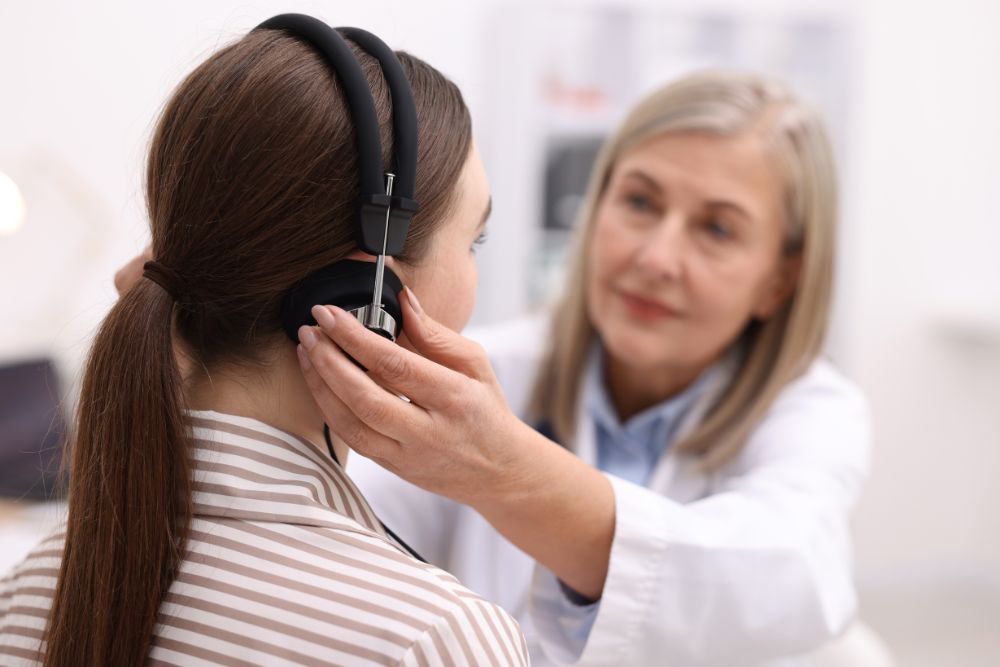
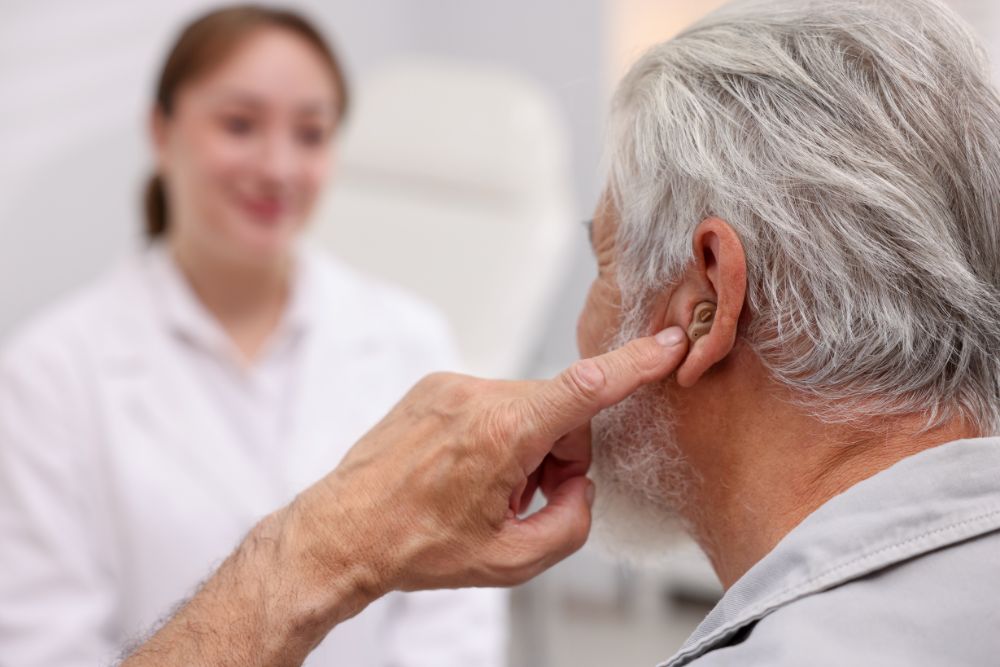
3. During 2020 aim to get your hearing tested with a hearing care expert. It’s essential to do this annually so you can have an easier time diagnosing and treating any issues before they become a bigger problem. Establishing a baseline so you can compare it to future hearing tests is crucial. Also, if you do happen to have some degree of hearing loss, your doctor can work with you to develop a course of action that is appropriate for your needs.
4. If you often listen to music through a pair of headphones, make sure you pay more attention to the volume level in 2020. Listening to music through a pair of headphones for a prolonged period can damage your hearing, so you want to ensure that you do not have the volume turned up too loud. Often you can adjust the maximum allowed volume in the settings of many devices, so you can make sure you don’t go past the safe level. If your device does not have this setting, just keep your device turned down.
Frequently Asked Questions
Any sound above 85 decibels for prolonged periods can potentially damage your hearing. It's important to be aware of the noise levels in your environment to protect your hearing health. Smartphone apps can help measure decibel levels to keep you informed about when noise becomes harmful.
Earplugs provide a simple and effective way to protect your ears from loud noises such as concerts, construction sites, or other noisy environments. Keeping a pair of earplugs readily available ensures that you can prevent noise-induced hearing loss whenever you find yourself exposed to potentially damaging sounds.
Annual hearing tests with a hearing care expert help diagnose any hearing issues early and establish a baseline for your hearing health. This allows for timely intervention if hearing loss occurs and ensures that any treatment or management plans are tailored to your specific needs.
To protect your hearing while using headphones, avoid listening at high volumes for prolonged periods. Many devices allow you to set a maximum volume limit in the settings to prevent accidentally damaging your ears. If your device lacks this feature, simply keep the volume turned down to a safe level.
Everyone, regardless of age, is at risk for noise-induced hearing loss if they are exposed to loud noises without proper protection. Taking precautions like monitoring noise levels, using earplugs, and limiting exposure can help reduce this risk for both young and old individuals.
Starting the New Year, you can protect your hearing by learning about safe decibel levels, keeping earplugs handy, getting regular hearing tests, and monitoring your headphone volume. These healthy hearing resolutions will help maintain your hearing for the long term.