
With the weather outside cold and unpredictable, the winter season is a great time to see your favorite singer or band. Going to a concert can be a fun and exciting way to spend your time indoors, and is sure to make memories that will last a lifetime. However, you want to ensure that those memories are good ones, and you want to make sure you are not creating problems that will last a lifetime. Without taking the proper precautions, you run a risk of causing irreparable harm to your hearing. Hearing loss at concerts can and will happen if you don’t utilize hearing protection and follow preventative measures.
Hearing loss at concerts happen, so before you head out to a show, educate yourself to protect yourself. Help preserve your hearing by following these helpful concert ear protection tips.
• While you may love being right up front, close, and personal with the band, it is dangerous to your ears. In this position, you are closer to the speakers, so make it a point to choose a place to sit as far away as possible from the speakers and stage. If you “have to” be up close and personal, make it short and make sure you wear ear protection.
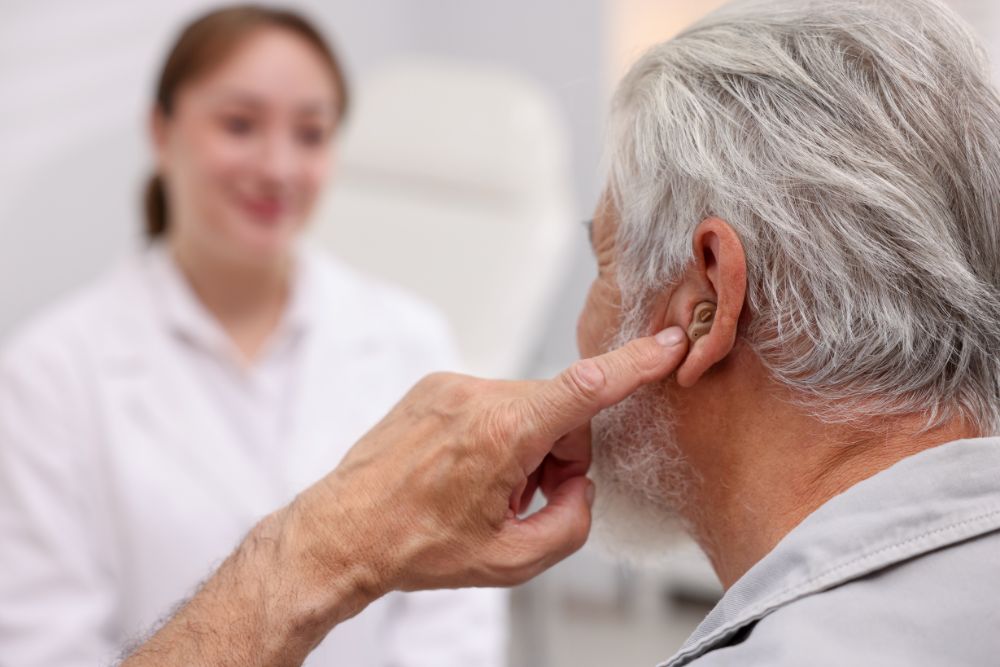
• When you experience a ringing sensation in your ear after a show, this is an indicator that you have been exposed to dangerous noise levels. To help prevent this from happening, wear earmuffs or earplugs. If you happen to wear hearing aids, make sure you turn down the volume and wear earmuffs to protect your ears.
• Give your ears a rest periodically by leaving the concert area for short breaks periodically. Your ears and brain will thank you for it, as it gives you and your ears some downtime to decompress. Plus, if you stay in a loud environment, it can be hard to tell how much is too much. Sometimes you need to sit it out so you can see if your ears are ringing from the sound or not.
• While you may be tempted if you are a social drinker, refrain from consuming alcohol during the concert. Alcohol can have a negative effect on blood flow, and this can make your tinnitus symptoms even worse. So make sure you lay off the booze, and if you can’t refrain, limit your consumption and make sure you stay hydrated.
Frequently Asked Questions
Concerts often have high volume levels that can damage your hearing, especially when you're close to the stage or speakers. Since winter concerts can be an indoor activity to escape the cold, protecting your ears ensures you enjoy the event without risking permanent hearing loss. Taking precautions helps preserve your hearing health long-term.
To protect your ears at a concert, wear earplugs or earmuffs designed for noise reduction. Avoid standing or sitting close to the speakers or the stage to minimize exposure to high decibel levels. Taking breaks by stepping away from the loud environment also helps your ears recover and reduces the risk of hearing damage.
Ringing in your ears, also known as tinnitus, after a concert is a sign that your ears have been exposed to dangerously loud noise levels. This indicates potential hearing damage. Experiencing this symptom means you should take steps to protect your ears better in the future, such as using hearing protection and limiting exposure time.
Alcohol negatively impacts blood flow, which can worsen tinnitus symptoms during loud events like concerts. Drinking alcohol may increase the intensity and discomfort of ear ringing. To minimize these effects, it's best to avoid or limit alcohol consumption and stay well-hydrated while attending concerts.
If you wear hearing aids, it's important to reduce the volume on your devices and wear additional ear protection, such as earmuffs, to shield your ears from loud concert noise. This helps prevent overexposure to intense sound levels that could further damage your hearing or your hearing aids.
Taking short breaks away from the loud music gives your ears and brain time to decompress and recover from the continuous noise exposure. This downtime helps reduce auditory fatigue and allows you to better gauge if your ears are experiencing stress or ringing, helping you prevent long-term hearing damage.