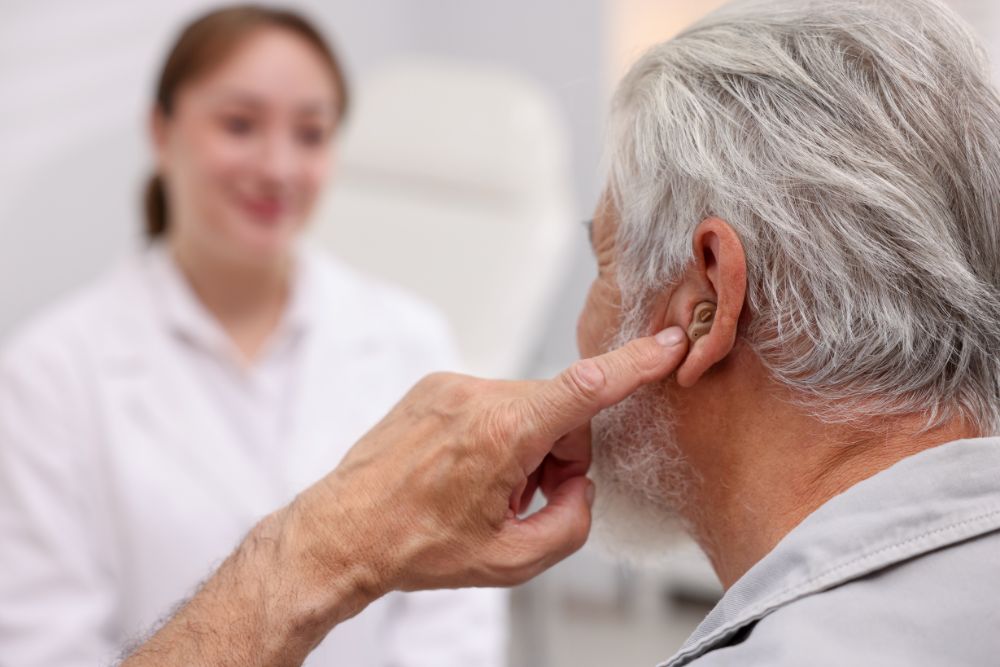
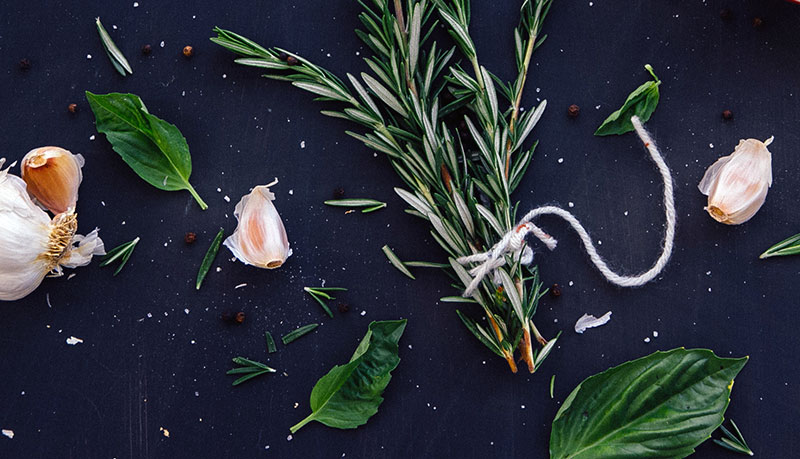
Typically, hearing loss cannot be fully restored, but there are many different treatments available that may help. Implants, surgery, and wearing hearing aids can help recover a large portion of your hearing, but there is also another route you can take to help improve the health of your ears and ward off hearing loss. Focusing on food and what you put into your body can significantly affect how you feel and how well your body functions. Herbal methods have been around for quite some time, as herbs are often used in food, and are known to help the body heal as well. Learning more about these herbs for hearing loss listed below might entice you to add more herbs and spices to your daily diet.
Herbs for Hearing Loss: What Can I Add to My Diet to Help Keep My Ears Healthy?
Dill– This aromatic herb has a very delicate, feathery appearance and is excellent at relieving inflammation. Dill is also high in zinc, which is vital for our entire body, including our ears. Since zinc helps boost the body’s immune system, it helps ward off colds and ear infections. Studies also suggest that taking zinc supplements is effective in treating tinnitus symptoms and may help prevent hearing loss.
Turmeric– This golden yellow spice has been utilized in India for thousands of years as a medicinal herb due to its health benefits. Relieving pain and inflammation is one of the many benefits of turmeric, but it also high in potassium, which is vital for our ears. As we age, it is natural for our potassium levels to drop, and this may contribute to age-related hearing loss, so staying on top of your potassium intake is crucial if you want to keep your ears healthy.
Spearmint– This well-known herb is most commonly recognized in gum and dental products, as many find the flavor to be delicious. The fact that spearmint has such a pleasant taste is helpful because it can have positive effects on your health. Spearmint contains a good amount of folic acid, and folic acid plays a crucial role in your hearing health. Studies suggest that low levels of folic acid are linked to age-related hearing loss, so this tasteful herb is a fun way to up your intake.
Basil– A well-known herb, basil is often used in the kitchen to spice up a delicious dish. Using basil to make your cooking more flavorful is an excellent way to up your magnesium intake. Basil is a magnesium-rich herb, and your ears rely on magnesium to function correctly. Magnesium can help prevent inner ear damage by protecting the delicate hair cells and keeping the blood vessels healthy. Increasing your intake of mineral-rich foods is essential because it may help improve your hearing health.
Frequently Asked Questions
Typically, hearing loss cannot be fully restored. However, various treatments like implants, surgery, and hearing aids can help recover a significant portion of hearing. Additionally, dietary and herbal approaches may support ear health and potentially prevent further hearing loss.
Herbs can improve ear health by providing essential nutrients and reducing inflammation. Many herbs, such as dill, turmeric, spearmint, and basil, supply vital minerals like zinc, potassium, folic acid, and magnesium, which support the immune system, protect ear cells, and may help prevent hearing loss.
Dill is high in zinc which boosts the immune system and helps prevent infections. Turmeric contains potassium, important for preventing age-related hearing loss. Spearmint offers folic acid, linked to better hearing health, while basil provides magnesium, protecting delicate ear hair cells and blood vessels.
Zinc plays a vital role in boosting the body's immune system, helping to ward off colds and ear infections, which can affect hearing. Studies also suggest that zinc supplements may help treat tinnitus symptoms and prevent hearing loss.
Potassium is essential for ear function, especially as levels naturally decline with age. Maintaining potassium intake helps protect against age-related hearing loss by supporting inner ear health.
Folic acid is linked to maintaining good hearing health. Low folic acid levels have been associated with age-related hearing loss, so ensuring adequate intake through herbs like spearmint can promote better auditory function.
Magnesium helps protect the delicate hair cells in the inner ear and keeps blood vessels healthy, potentially preventing inner ear damage. Increasing magnesium intake through herbs like basil can support overall hearing health.