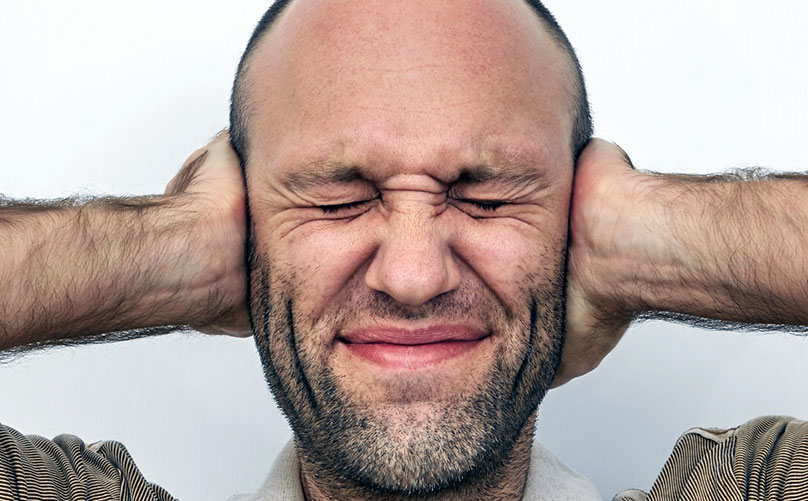
Experiencing pain is something we will all encounter, but it can be very unsettling when we experience pain in our ears. Our ears play an important role in our daily lives, as it helps keep us connected and in tune to the world around us. While ear pain is common among children, experiencing ear pain as an adult can also happen and is not unheard of. Luckily the reasons for ear pain don’t have to include an underlying medical condition, as there are a few different reasons for ear pain.
To help you determine the cause of your pain and discomfort, check out some of the reasons for ear pain.
• Do you fly often? Then you might be experiencing airplane ear. Also known as ear barotrauma, airplane ear occurs when there is unbalanced air pressure, resulting in an earache. Caused by quick changes, unbalanced air pressure can also occur if you often dive or even when you ride in an elevator. Anytime the balance gets thrown off, your ears are likely to ache, and you may even have trouble hearing.
• If you have TMJ (temporomandibular joint disorders), then this could be the very reason for your ear pain, especially if you experience pain in your ears after you yawn, chew, or talk. The temporomandibular joint is located near the auditory canal, so experiencing ear pain is common for those who have this disorder.
• While your ears are self-cleaning and earwax typically moves out of the ear when we chew or talk, earwax buildup can still occur. Sometimes our earwax can become impacted from wearing headphones, earplugs, and using Q-Tips. When this occurs, a person’s hearing ability may diminish, and ear pain can occur.
• If you do not properly dry out your ears after a bath or shower, then swimmer’s ear could be one reason for your ear pain. Even those who spend a lot of time in the water (i.e., swimmers, surfers, etc.) run a risk of developing swimmer’s ear. When water becomes trapped in the ear and isn’t treated, it becomes a breeding ground for bacteria, leading to itchy ears, redness, inflammation, itchy ears, and ear pain.
• Of course, being ill can be the reason behind your ear pain. Middle ear infections, or otitis media, occur when bacteria or a virus get into the middle ear, resulting in the flu, a cold, and can even allergies. If you have an ear infection, then experiencing ear pain, ear drainage, or temporary hearing loss are some of the telltale signs.
Believe us. There are countless other reasons for ear pain. What’s listed here are just some of the common culprits. If you are experiencing ear pain, don’t let it fester. Get it treated by consulting with your hearing care professional as soon as possible.
Frequently Asked Questions
Airplane ear, also known as ear barotrauma, is caused by unbalanced air pressure usually experienced during quick altitude changes such as flying, diving, or elevator rides. This pressure imbalance can result in ear pain, discomfort, and temporary hearing difficulties.
TMJ (temporomandibular joint) disorder affects the joint near the ear canal, causing pain that can be felt in the ears especially after actions like yawning, chewing, or talking. Since the joint is close to the auditory canal, ear pain is a common symptom of TMJ issues.
Yes, earwax buildup can lead to ear pain and diminished hearing. Factors such as using Q-tips, wearing headphones or earplugs can cause impacted wax, which blocks the ear canal and results in discomfort or pain.
Swimmer’s ear is an infection caused by trapped water in the ear that promotes bacterial growth. Symptoms include itching, redness, inflammation, and ear pain. It commonly affects swimmers or those who frequently expose their ears to water without proper drying.
Middle ear infections (otitis media) happen when bacteria or viruses infect the middle ear often due to colds, flu, or allergies. This infection causes inflammation, ear pain, possible ear drainage, and sometimes temporary hearing loss.
Yes, while airplane ear, TMJ disorders, earwax buildup, swimmer’s ear, and infections are common causes, there are many other possible reasons for ear pain including injuries, skin conditions, or referred pain from other areas. Consulting a hearing care professional is recommended for proper diagnosis.