
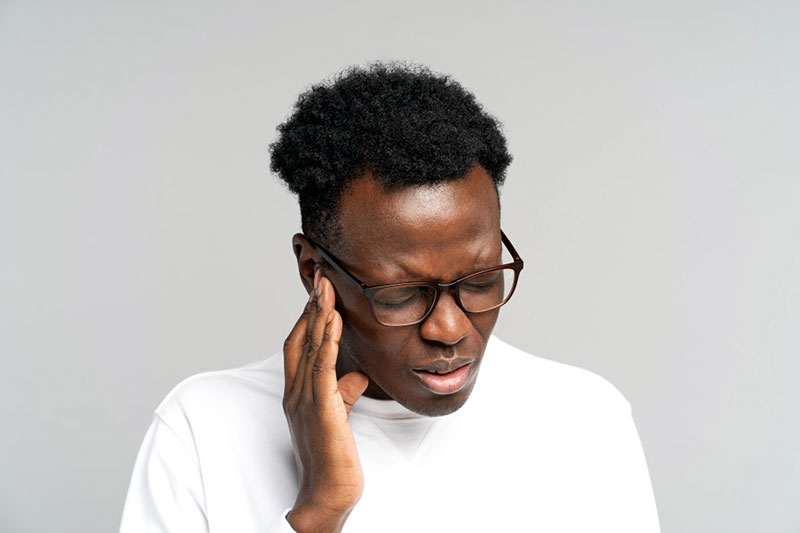
Did you know that there is a little known about but common chronic disorder group called Vestibular disorders? Many do, as this affliction affects over 35% of adults over the age of 40. Vestibular disorders are issues that affect balance and the functioning of the inner ear. A list of the most common types includes benign paroxysmal positional vertigo (BPPV), vestibular migraines, Meniere’s disease, labyrinthitis, and vestibular neuritis.
What are Vestibular Disorders?
Vestibular disorders can have long-lasting negative impacts on a patient’s physical well-being and the emotional health for them and their families. The vestibular system is comprised of the eyes, the inner ear, and certain parts of the brain that deal with sensory information, coordination, and balance. The outward symptoms can range from minor issues, such as temporary slight dizziness, temporary nausea, and tinnitus (ringing in the ears), to significant problems that can seriously affect the quality of life, like chronic fatigue, depression, anxiety, and memory issues. It is theorized that these conditions could be triggered by traumatic brain injuries, diseases that affect the brain and ears, autoimmune disorders, adverse reactions to drugs or chemicals, aging, and unexplained causes.
What You Can Do To Cope?
While the exact cause of these conditions remains unclear, and the promise for a cure is still a very long way away, treatments and coping methods have been shown to help alleviate some symptoms and provide relief. Many patients have found partial recovery through vestibular exercises, therapy, and making lifestyle changes. These disorders can be managed with a marked reduction in the severity of symptoms by regular exercise and better diet planning. Products and foods that contain salt, caffeine, and alcohol are known to have an adverse effect on people who suffer from vestibular disorders. Many have also reported that regular exercise can be beneficial. The real key is in moderation and finding the right balance in life.
Taking the time to find a medical professional who is well versed in vestibular disorders can also make a huge difference for those in need of help. Misdiagnosis is common, so make sure to seek out advice from an expert in vestibular disorders.
Frequently Asked Questions
Vestibular disorders are a group of chronic conditions that affect the vestibular system, which includes the inner ear, eyes, and parts of the brain responsible for balance and sensory coordination. These disorders can cause symptoms ranging from dizziness and nausea to more severe issues like chronic fatigue and memory problems.
The most common types of vestibular disorders include benign paroxysmal positional vertigo (BPPV), vestibular migraines, Meniere's disease, labyrinthitis, and vestibular neuritis. Each has differing symptoms but generally impacts balance and inner ear function.
Vestibular disorders may be triggered by a variety of factors such as traumatic brain injuries, diseases affecting the brain and ears, autoimmune disorders, adverse drug reactions, aging, or in some cases, unknown causes. The exact cause of many vestibular conditions is still unclear.
Symptoms can range from mild issues like slight dizziness, temporary nausea, and tinnitus to more severe problems such as chronic fatigue, depression, anxiety, and memory difficulties. The severity of symptoms varies by individual and disorder type.
While there is no definitive cure, symptoms can often be alleviated through vestibular exercises, therapy, lifestyle and diet changes, and avoiding triggers like salt, caffeine, and alcohol. Regular moderate exercise is also beneficial. Consulting a specialist in vestibular disorders can improve management and diagnosis.
Because symptoms of vestibular disorders can overlap with other conditions, misdiagnosis is common. Consulting a medical professional who specializes in vestibular disorders ensures accurate diagnosis and effective treatment plans tailored to the patient’s specific needs.
Yes, lifestyle changes such as maintaining a balanced diet low in salt, caffeine, and alcohol, along with regular moderate exercise, have been shown to reduce the severity of symptoms in many patients with vestibular disorders. Finding the right balance in daily habits is key to symptom management.