Giving your hearing aids a regular cleaning is the best way to extend their life and their ability to function on a day-to-day basis. Without routine cleaning, wax can build up and interfere with its operation. Not to mention things like bacterial growth that can cause ear infections if left unchecked. Replacement hearing aids are not cheap, keeping your hearing aid clean will ensure that they last a long time. We have gathered all the essential tips and tricks to help you keep your hearing aids working like they are brand new.
How to Properly Clean Your Hearing Aids
#1. Clean Your Hearing Aids Everyday
Even if it seems like it doesn’t need it, it’s always a good idea to clean your device after it’s been worn. Getting into the habit of cleaning will make the process faster and easier.
#2. The Right Tool For The Right Job
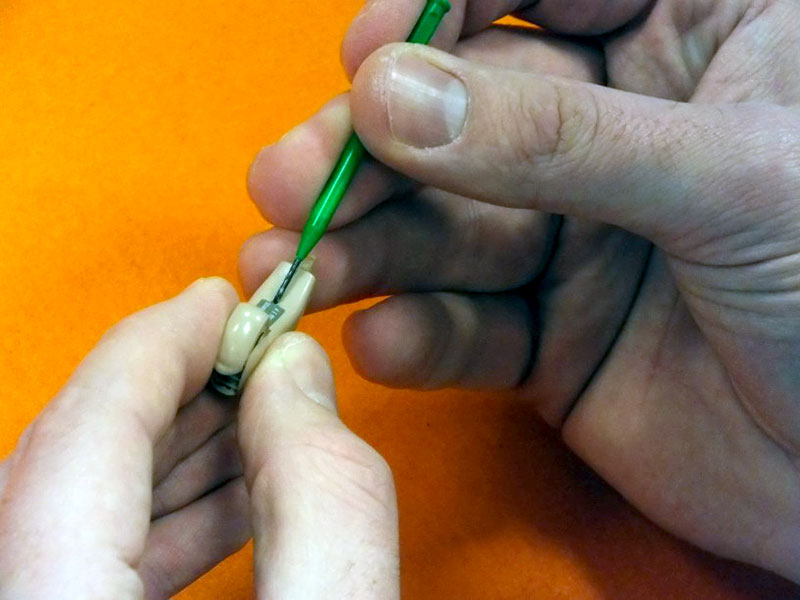
There are a lot of options for tools and kits available, from multi-tools to kits specifically designed for your device. Even a DIY kit can reach a gold standard and help keep your hearing aids clean.
#3. Read The Manual
Before you do anything, make sure to consult your hearing aids documentation. The manufacturer will advise the best way to do everything, such as changing the battery, what cleaning tools are required and what cleaning products are safe for your device.
#4. Thoroughly Wash And Dry Your Hands or Wear Medical Gloves
Ensuring your hands are clean when you handle your hearing aids can help avoid issues. Oil and bacteria on your hands can contaminate parts and may even cause the device to stop working.
#5. Use a Drying Box
If you use water or a liquid cleaner, a drying box will eliminate and trace moisture that can damage hearing aids. Some boxes have UV lights that also kill off fungus and bacteria.
#6. Taking Care Of Your Batteries
Properly handling the batteries is crucial for your device to operate. Leaving dead batteries inside your hearing aid could expose it to harsh chemicals that will destroy the electronics inside. The best practice is always to remove your batteries when they are not in use. Leaving the battery compartment door open when the batteries are out will also help your device air out and eliminate any confusion.
We hope these tips will help you maintain your hearing aids for years to come!
Frequently Asked Questions
Cleaning your hearing aids every day prevents wax buildup and bacterial growth that can interfere with device operation and cause ear infections. Regular cleaning also helps maintain the device's performance and extends its overall lifespan.
Use specialized cleaning tools or kits designed specifically for hearing aids to effectively remove wax and debris without damaging the device. Many manufacturers offer multi-tools or DIY kits that meet cleaning standards for your particular hearing aid model.
Yes, reading the manufacturer’s manual is essential before cleaning your hearing aids. The manual provides guidance on changing batteries, recommended cleaning tools, and safe cleaning products that will not harm your device.
Wash and thoroughly dry your hands before handling your hearing aids or wear medical gloves. This minimizes the transfer of oils, bacteria, and dirt that can contaminate device parts and potentially cause malfunctions.
A drying box removes any moisture left after cleaning with liquids, preventing water damage to hearing aids. Many drying boxes also feature UV light that kills fungus and bacteria, helping keep your device hygienic and functional.
Always remove dead batteries promptly to avoid exposure to harmful chemicals that can damage the device. When batteries are out, leave the battery compartment door open to air out the hearing aid and reduce confusion about battery status.