It’s a common understanding that our hearing is likely to diminish over the years as we age. However, people have many habits that may be doing their hearing more harm than good. We have listed some of the most dangerous ear practices to have that could negatively affect your hearing now and in the future.
Dangerous Ear Practices: Bad Habits That Affect Your Hearing
Not Cleaning Your Ears Properly
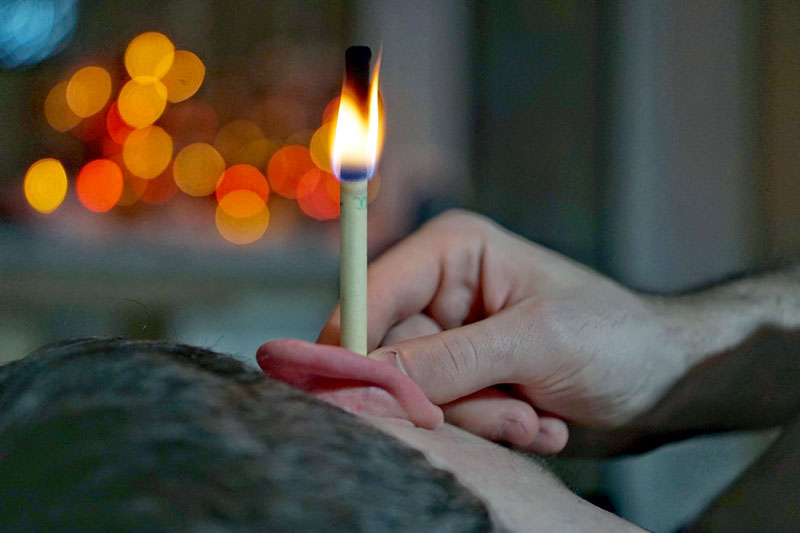
The most common advice doctors give when talking about ear is health is “Never stick anything smaller than your elbow in your ears.” As common as this phrase is, many share the bad habit of cleaning their ears with q-tips and other long pointy objects. Using objects to clean out your ears risks damaging your eardrums and canals.
Exposure to Smoke
Even if you are not a smoker, being around secondhand smoke of any kind, not just tobacco, can damage your hearing over time as toxins build up and affect your health. While people who smoke tobacco have been shown to be at a higher risk, exposure to smoke in a closed environment should always be avoided.
Accidents with Ear Plugs, In-ear Headphones, and Molds
While the advice about things smaller than your elbow is generally considered common sense, the same person who nods at the suggestion then stuffs earbuds into their ears the next time the phone rings. While things like earplugs and earbuds are helpful and even needed at times, regular use of these objects can lead to issues like compacted wax and other problems that can negatively affect your hearing. Scheduling regular ear cleanings can help mitigate these effects and protect your hearing for the long term.
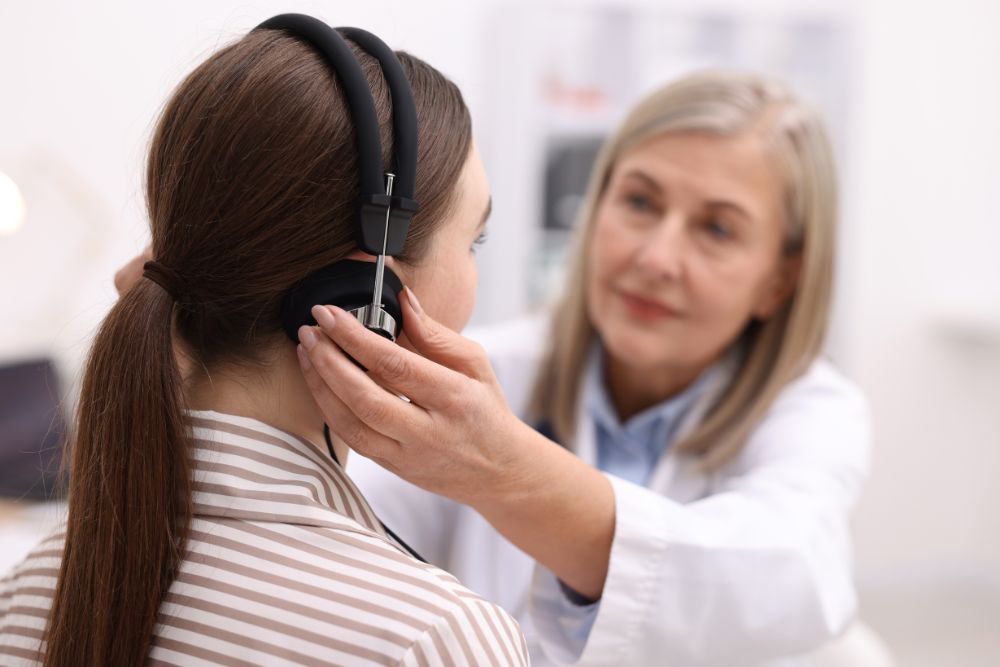
Putting Off Doctor’s Visit
Not seeking treatment for hearing issues is probably the worst habit to have. This can be very easy for many older adults, as the change in hearing is gradual, making it hard to detect, especially in the beginning. However, once you are aware of issues, contact your doctor at once.
Avoidance from Embarrassment or Denial
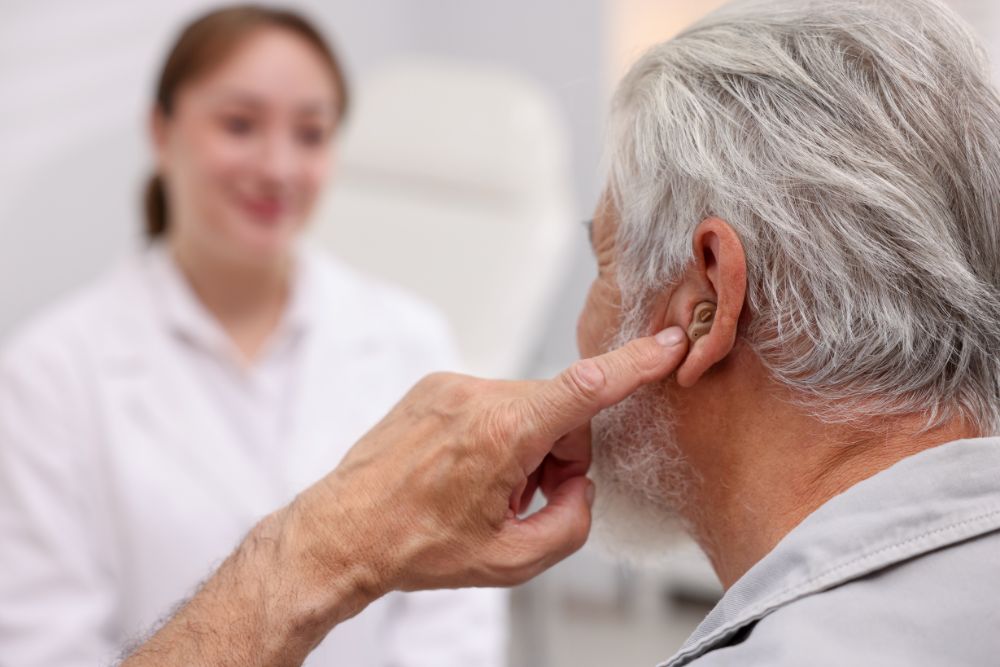
Studies have shown that only one-third of older Americans who suffer hearing loss wear a hearing aid regularly. This bad habit can contribute to feelings of isolation and depression. Many are concerned about the stigma of aging, but not wearing your hearing aid is a terrible idea. The good news is that there are many models of hearing aids that are less noticeable and bulky; talk to your audiologist to find out what options are available for your condition.
Frequently Asked Questions
Using q-tips or other pointed objects to clean your ears can damage the delicate eardrums and ear canals. These objects tend to push earwax deeper inside rather than removing it, increasing the risk of injury or infection. It's best to avoid inserting anything smaller than your elbow into the ear canal to protect your hearing.
Exposure to smoke, including secondhand smoke, introduces toxins that can accumulate and harm the delicate structures of the ear over time. Both smokers and those exposed to smoke in enclosed spaces have a higher risk of hearing loss. Avoiding smoke-filled environments can help preserve your hearing.
Frequent use of earplugs and in-ear headphones can lead to compacted earwax and other ear canal issues, which may negatively impact hearing. While these devices serve useful purposes, regular ear cleaning and monitoring are recommended to prevent problems and maintain ear health.
Hearing loss often occurs gradually and can be hard to detect at first. Ignoring symptoms delays diagnosis and treatment, potentially worsening the condition. Early consultation with a healthcare professional enables timely intervention and better management of hearing problems.
Avoiding hearing aids because of stigma may lead to social isolation and depression since untreated hearing loss affects communication. Fortunately, modern hearing aids come in discreet models, and consulting an audiologist can help find suitable options to improve quality of life without embarrassment.
Regular professional ear cleanings prevent the buildup of compacted wax and identify any early signs of ear problems. This maintenance helps ensure that devices like earplugs or earbuds do not contribute to hearing damage, supporting long-term ear health and function.