Hearing aids devices are a part of the everyday lives of millions of people worldwide. Hearing aids are highly complex, delicate, and sometimes expensive devices to replace. So it’s no surprise that the decision to acquire a new set of devices does not come easily for many. Let’s face it, hearing aid devices are made to work, not to last. Even the best devices that are available only operate at peak performance for 5 to 6 years at most. If you are wondering if it’s time to upgrade your hearing aids, here are some things to consider when thinking about getting a new pair.
When is it a Good Time to Upgrade Your Hearing Aids?
Dealing with Older Devices
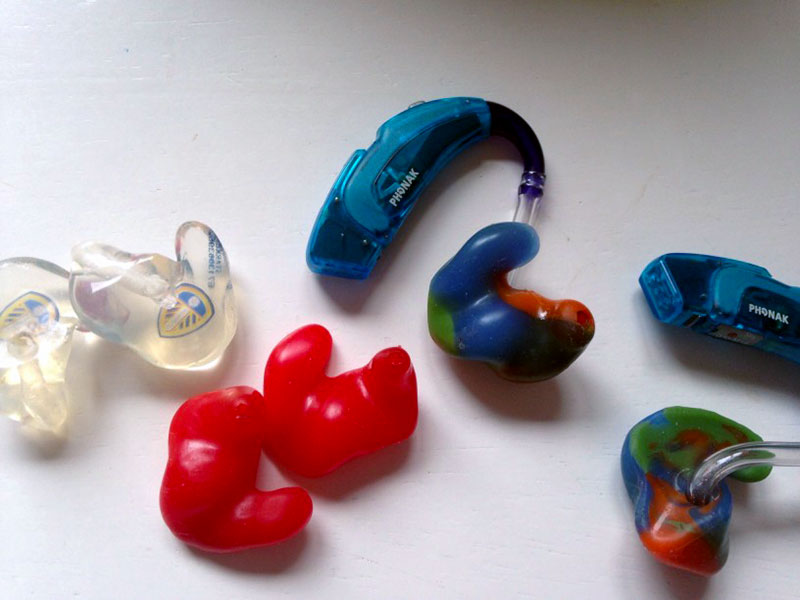
As hearing aid devices age, they eventually will wear out; weathering due to repeated cleanings and constant usage takes its toll until it stops working altogether, even if you are able to keep your device in top condition, as technology changes, replacement parts, and repair services cease to be available. The average lifespan of modern hearing aid devices is five years, after which they are considered outdated.
Changes in Health or Lifestyle
Life changes are a natural part of aging; significant ones can impact our hearing, whether good or bad. As we age, it’s not uncommon for patients to need a different level of support each time a set of hearing aids is changed. Degenerative conditions like arthritis can facilitate the need for devices that are easier to handle. At the same time, improving health with better habits that include eating better and exercising could benefit from new devices that can be incorporated into a more active lifestyle.
Modern Hearing Aid Devices
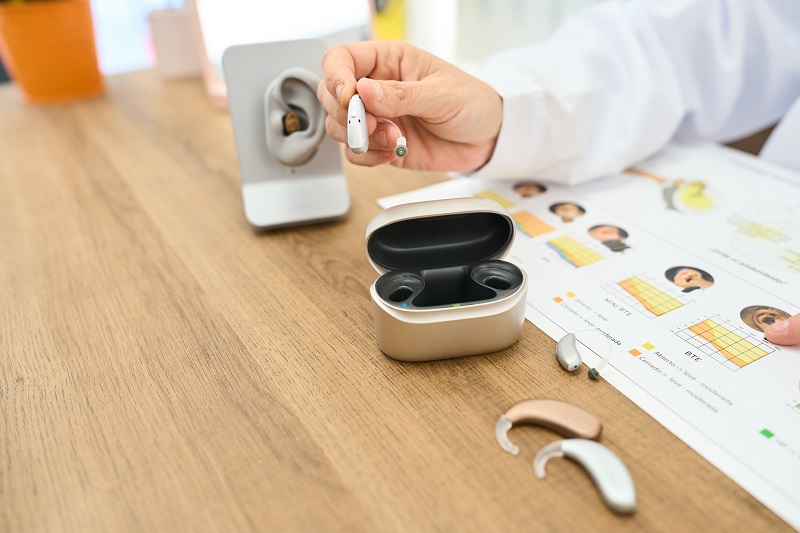
Like every other technological industry, the advancement and improvement of electronic devices continue unabated. Newer hearing aids have become tiny computers able to support advanced features. Modern devices now allow for options and functions that would have been considered science fiction a few decades ago. Some of these options include; advanced algorithms that help refine your hearing, selectively amplify close sources of sound, and connect to external devices using Bluetooth to pair your hearing aids to a smartphone to access advanced features and settings.
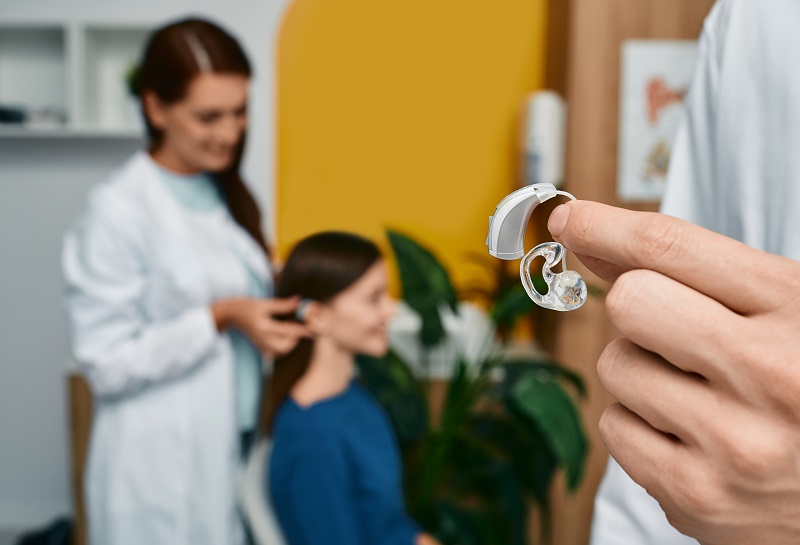
Before you get a new set of hearing aids, talk to your audiologist or hearing specialist to help you find the best devices for your needs.
Frequently Asked Questions
Modern hearing aids generally have a lifespan of about five to six years. After this period, they may begin to lose peak functionality due to wear and tear, outdated technology, and the unavailability of replacement parts and repair services.
Signs include reduced performance due to device aging, difficulty handling the devices because of health changes like arthritis, or lifestyle changes that require more advanced features. Additionally, the inability to repair devices due to obsolete parts is a key indicator that an upgrade is needed.
As individuals age or experience health changes such as arthritis, they may require hearing aids that are easier to handle or have different support levels. Improved health and a more active lifestyle may also benefit from advanced hearing aids with modern features that support connectivity and enhanced hearing.
Modern hearing aids include advanced algorithms to refine hearing, selectively amplify sounds nearby, and connect via Bluetooth to smartphones. These features allow users to access customizable settings and improve their overall hearing experience beyond basic amplification.
As hearing aid technology evolves, manufacturers discontinue parts and repair services for older models. This means that even if a device is maintained well, it may become irreparable due to lack of replacement components, making upgrading necessary.
Yes, consulting an audiologist or hearing specialist is recommended before buying new hearing aids. They can assess your specific needs and recommend devices that best match your hearing requirements and lifestyle preferences, ensuring optimal benefit from your investment.