As hearing loss progresses and develops slowly, conversations become muffled, background noise starts to interfere with conversations, and the volume on audio devices goes up and up. These are all indicators that your hearing ability is diminishing. At this point, the worst thing you can do is ignore it. The good news is that you can take steps to reduce the progress of hearing loss. We have gathered to best tips to help you slow the development of hearing loss.
How to Slow Down Hearing Loss
Turn the Volume Down
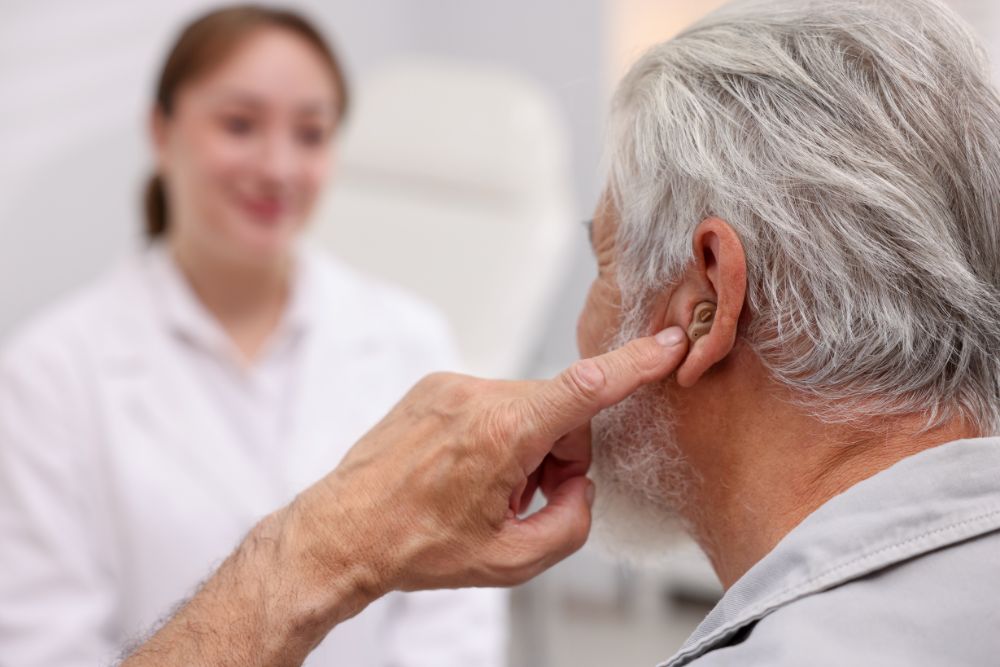
Loud volume from television, music player or phone headset can continue to damage hearing while exposure continues. It takes only a moment for loud sounds to damage hearing permanently. Take care and be mindful of volume levels, use closed captioning for film and television or use a hearing assistance device to enhance the sounds in a safe manner.
Avoid Loud Sounds
Along the same lines as the first tip, avoiding very loud sounds and environments is crucial to help protect your hearing. Things like lawn equipment, power tools, and heavy traffic can quickly exceed safe decibel levels. Try to stand back a reasonable distance or employ hearing protection to reduce the risk to your hearing.
Use Hearing Protection
The best preventive measure available to protect your hearing comes from sound-dampening equipment, i.e., headphones, earplugs, and earmuffs. These low-tech solutions work in any environment but can’t do anything if you leave them behind. Make sure to be prepared; leave a pair in your car, your gym bag, the garage, or anywhere you might be exposed to high volumes, especially in enclosed spaces.
Don’t Skip Annual Hearing Tests
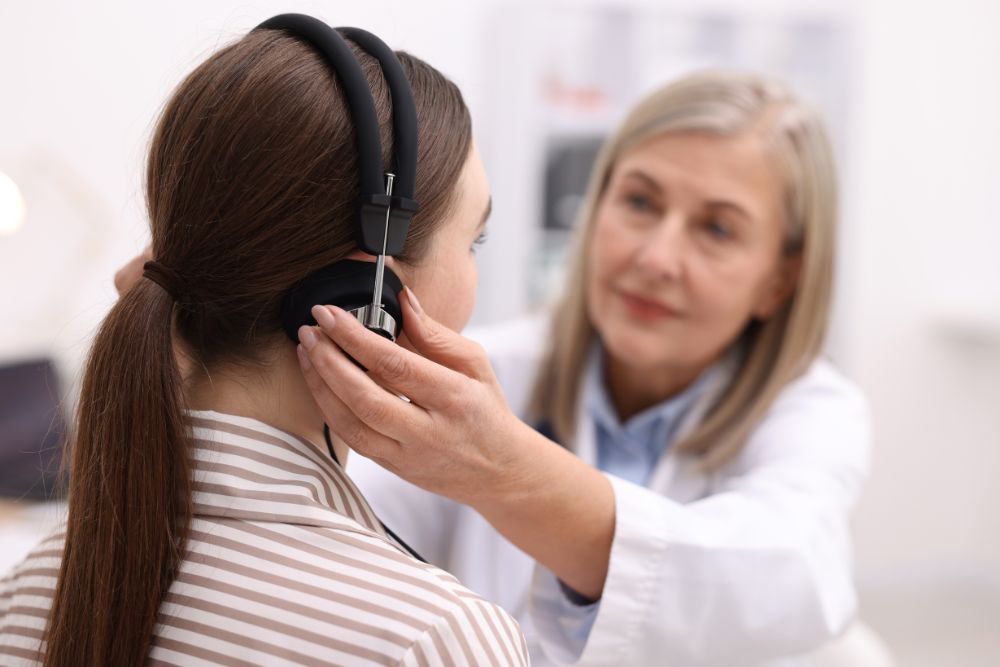
In the end, it’s impossible to repair anything if you are unaware of the extent of the damage. An annual hearing test will keep you informed about your hearing health. As we age, the genuine risks we face build up over time. Keeping tabs on hearing health is the best way to protect your hearing.
Don’t Wait
If you are experiencing hearing loss, no matter how minute, don’t wait to schedule an appointment with a doctor or hearing specialist at once. They can help determine the extent of the issues and provide solutions to prevent further deterioration.
Frequently Asked Questions
Early signs of hearing loss include muffled conversations, difficulty hearing in noisy environments, and increasing the volume on audio devices. Recognizing these signs early allows you to take steps to protect your hearing before it worsens.
Reducing the volume on televisions, music players, and phone headsets prevents continuous exposure to loud sounds that can cause permanent hearing damage. Using closed captioning or hearing assistance devices can enhance audio safely without increasing volume.
Loud environments such as those with lawn equipment, power tools, or heavy traffic often exceed safe decibel levels, causing damage to hearing over time. Avoiding or minimizing exposure to these noises helps reduce the risk of hearing loss.
Using sound-dampening equipment like headphones, earplugs, and earmuffs is effective in protecting your hearing from loud environments. It’s best to keep these devices accessible in places where you might face high noise levels to ensure consistent use.
An annual hearing test is recommended to stay informed about the condition of your hearing. Regular testing helps detect changes early, allowing for timely interventions that can prevent further hearing deterioration.
If you notice any signs of hearing loss, it’s important to schedule an appointment with a hearing specialist or doctor promptly. Early evaluation can determine the extent of the problem and provide solutions to slow or prevent further loss.
Hearing loss typically cannot be reversed once it has occurred; however, taking preventive measures and seeking early treatment can slow or stop further progression. Timely intervention is key to preserving remaining hearing ability.