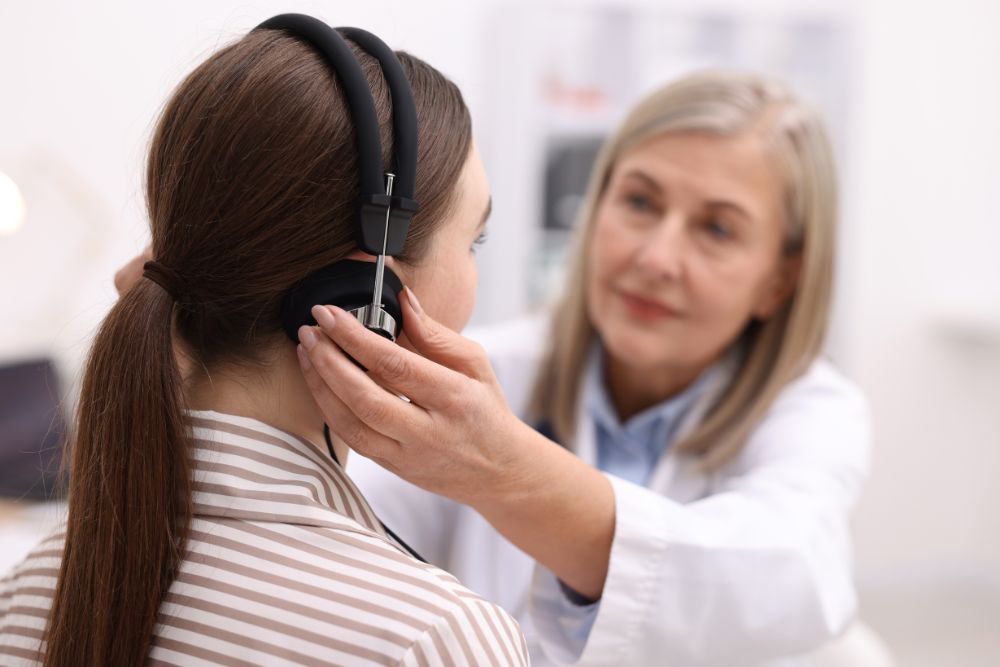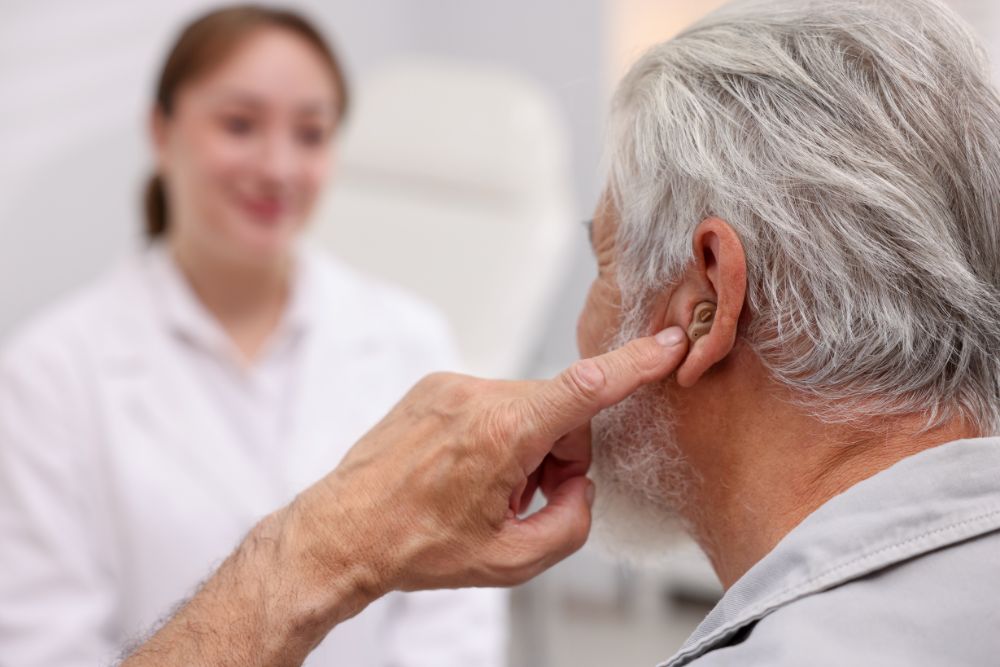

Even in the 21st century, despite all the advancements in health and technology, hearing loss still exists, and what is worse, misunderstandings and myths still surround hearing aids and loss. The World Health Organization (WHO) has estimated that over one billion people are at risk of developing hearing loss in one or both ears. Much of this is due to the unsafe use of personal devices, like car stereos and cellphone earbuds, and exposure to volumes high enough to cause damage. What exacerbates the situation is the misconceptions and myths that circulate around hearing loss and hearing aids. Studies have shown that the best way to get more people to treat hearing loss is to dispel these ideas with actual facts. We have gathered some of the most common myths of hearing loss so we can break them apart with the facts.
The Common Myths Of Hearing Loss
Fiction: Hearing loss is a typical sign of the aging process.
Fact: While it is true that many people have developed hearing loss, almost as many are able to retain hearing health. Studies have shown that there is no real correlation between the two; after all, young people also suffer from hearing loss.
Fiction: Hearing loss is easy to detect.
Fact: Hearing loss occurs very slowly for many patients, making it difficult to notice at first. It may only be noticeable in particular situations and environments, leading to misreading the symptoms.
Fiction: Hearing loss only affects hearing.
Fact: Hearing loss can be a symptom of other issues or compound conditions that lead to a worse outcome overall. Treating hearing loss can help alleviate other health conditions, depending on the underlying problem.
Fiction: Minor hearing loss is no big deal.
Fact: The onset of hearing loss, no matter how “minor,” is still hearing loss. Leaving symptoms like slightly muffled sounds or tinnitus (ringing in the ears) untreated can reduce the effectiveness of hearing aids and other treatments later.
Fiction: Hearing aids work for everyone the same.
Fact: There are several reasons why you can’t use someone else’s hearing aids. Firstly each device has to be fine-tuned to the person needing it, and only an audiologist can prescribe the correct settings. And secondly, many devices are fit for the user’s ear for a better fit; a loose fit will not cut it for hearing aids to work correctly.
Frequently Asked Questions
While many older adults experience hearing loss, it is not an inevitable part of aging. Studies show no direct correlation between aging and hearing loss, as young people can also suffer from hearing loss. Maintaining hearing health at any age is possible.
Hearing loss often develops gradually, making it hard to notice at first. It may only become apparent in specific situations or environments, which can lead to misunderstandings about the symptoms. Early detection often requires professional evaluation.
Hearing loss can be linked to other underlying health issues or can worsen other medical conditions. Addressing hearing loss may help alleviate related health problems, depending on the cause, highlighting its broader impact beyond just hearing ability.
Even minor hearing loss should not be ignored. Early symptoms such as muffled sounds or tinnitus (ringing in the ears) can worsen over time and may reduce the effectiveness of hearing aids or treatments if left untreated.
Hearing aids are highly individualized devices that need to be fine-tuned by an audiologist to suit the specific hearing needs of each person. The fit is important as well, as poorly fitting hearing aids will not function properly.