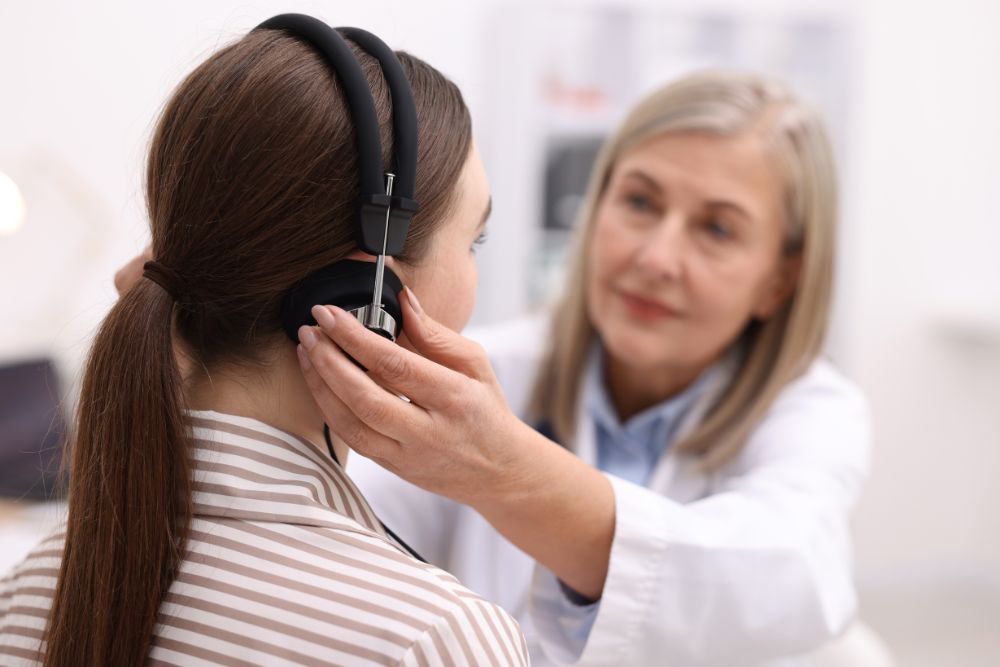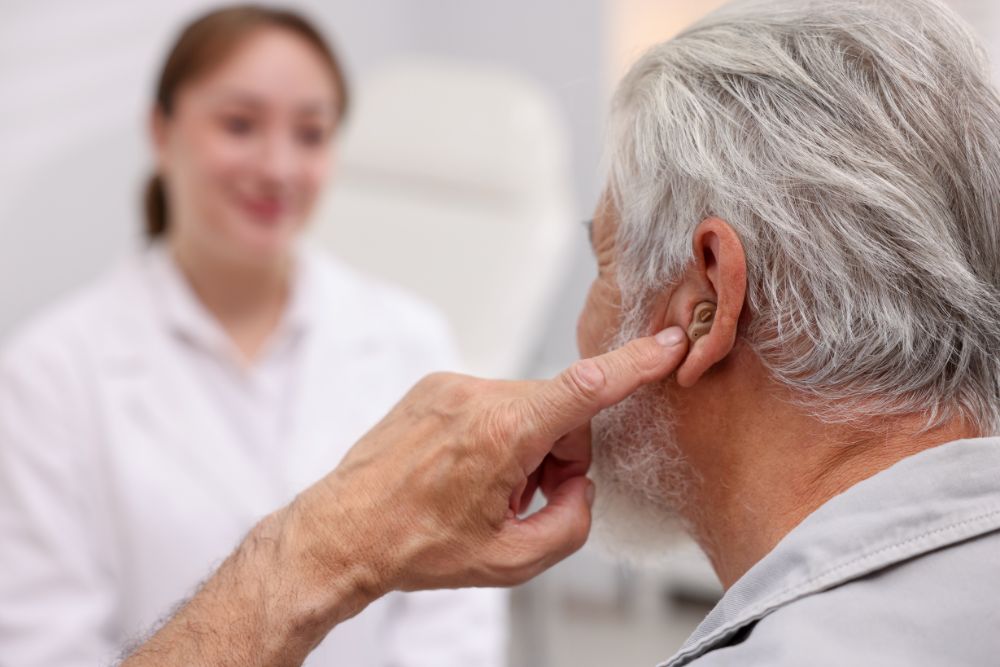
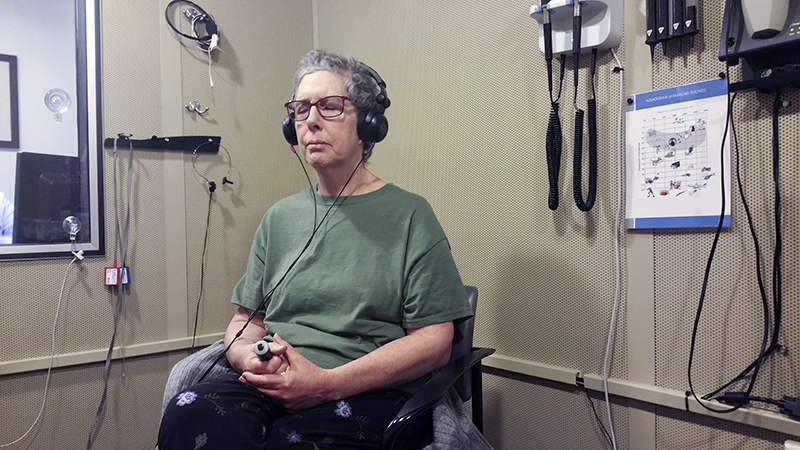
In the United States, over 37 million Americans suffer from some form of hearing loss. The use of hearing aids has been shown to improve lives beyond physical health. Unfortunately, recent studies have shown that only twenty percent of adults who need hearing aids use them. This means they are missing out on the health benefits of hearing aids. What is worse is that American adults diagnosed with hearing loss wait an average of six years before actually getting a hearing aid system. This is why getting a hearing test done with an audiologist is important for your hearing health. Otherwise, it’s too easy to ignore your diminished hearing!
Four Reasons Why You Should Get A Hearing Test
Not Being Able to Hear Friends and Family
One of the most common complaints about high-frequency hearing issues is the inability to hear friends and family clearly. Much of human speech produced is in the higher range of sounds, especially from women and children. This is one of the best reasons to get a hearing test; a hearing aid can restore the ability to hear people with high voices.
Social Isolation
The feelings of isolation and being left out go beyond just friends and family. Almost every interaction we have on a daily basis is affected by our hearing health. When it’s good, we don’t notice, but when hearing loss sets in, it can be very debilitating socially. Hearing aids can restore normal communication making daily life easier.
Impacts Work Productivity
Hearing loss can affect people at work and bring them to the breaking point. Not being able to hear or communicate effectively at important meetings or on the job can create missed opportunities to be productive. The reason the use of hearing aids is associated with higher incomes is that you’re more secure and effective at work.
Strain on Health
The most important reason to get a hearing test if you are worried about your hearing is the overall impact hearing has on our health in general. Hearing issues could indicate other more severe health problems you may not be aware of having. Studies have shown that hearing loss can be connected to various cognitive issues and other health problems. A hearing test can help you find and deal with hidden health problems.
Frequently Asked Questions
Getting a hearing test is crucial because it helps identify hearing loss early, which is often ignored. Early detection allows for timely intervention with hearing aids, improving communication, social interactions, and overall health. It also helps uncover any underlying health issues linked to hearing loss.
Common signs include difficulty hearing friends and family, especially those with high-pitched voices, feelings of social isolation due to communication challenges, decreased productivity at work because of hearing difficulties, and general concerns about overall health impacts linked to hearing loss.
Hearing loss can lead to social isolation as it makes daily conversations and interactions challenging. People might feel left out or frustrated, which can affect mental health and relationships. Using hearing aids after a hearing test can restore communication and help maintain social connections.
Untreated hearing loss can make it difficult to participate effectively in meetings and workplace communications, leading to missed opportunities and decreased productivity. Those who use hearing aids tend to perform better at work and often have higher incomes due to better communication abilities.
Yes, hearing loss can be linked to various serious health conditions including cognitive decline and other hidden health issues. A hearing test not only assesses hearing but can also help detect these underlying problems, prompting further medical evaluation and treatment.
Many adults delay getting hearing aids due to lack of awareness, denial of hearing loss, or misconceptions about hearing aids. On average, adults wait about six years after diagnosis before obtaining hearing aids, missing out on the significant health and social benefits they provide.
Hearing aids improve quality of life by enhancing the ability to hear speech clearly, reducing social isolation, improving work productivity, and potentially decreasing health risks associated with untreated hearing loss. They enable users to engage more fully with others and maintain better overall health.