Hearing loss can have a substantially negative impact on one’s overall health, both physically and mentally. Therefore, taking necessary measures to safeguard hearing health throughout one’s lifetime is crucial. Regular hearing testing is an essential component of achieving this objective. It is crucial to receive a diagnosis for hearing loss as it enables the individual to access the necessary treatment and support. Despite the importance of regular hearing tests, recent findings indicate that a mere 20% of adults have undergone a hearing test within the past five years.
Hearing Test Facts: Why Do I Need a Hearing Test?
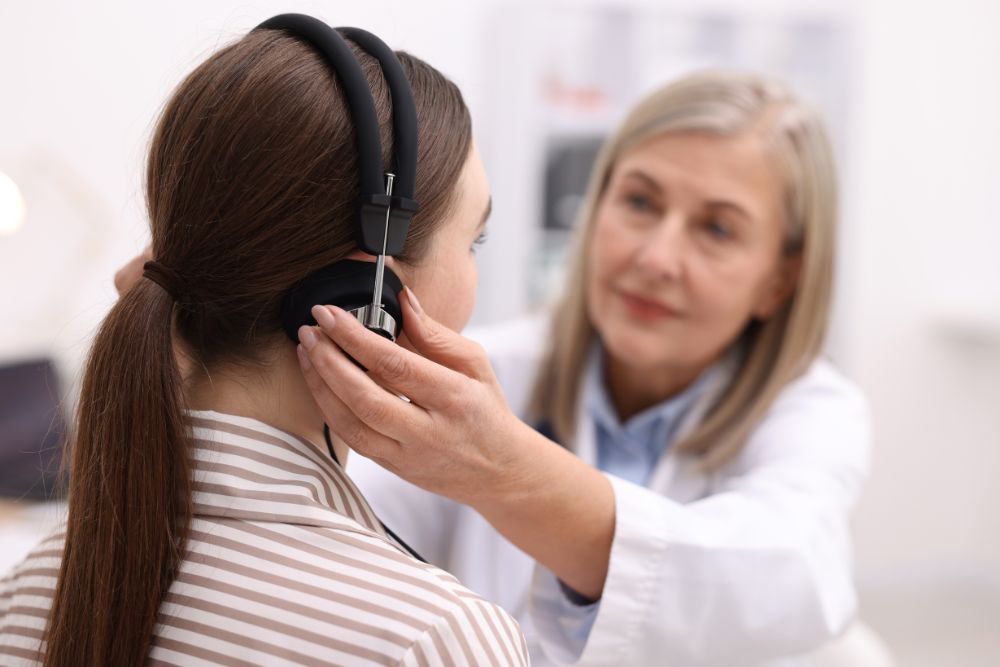
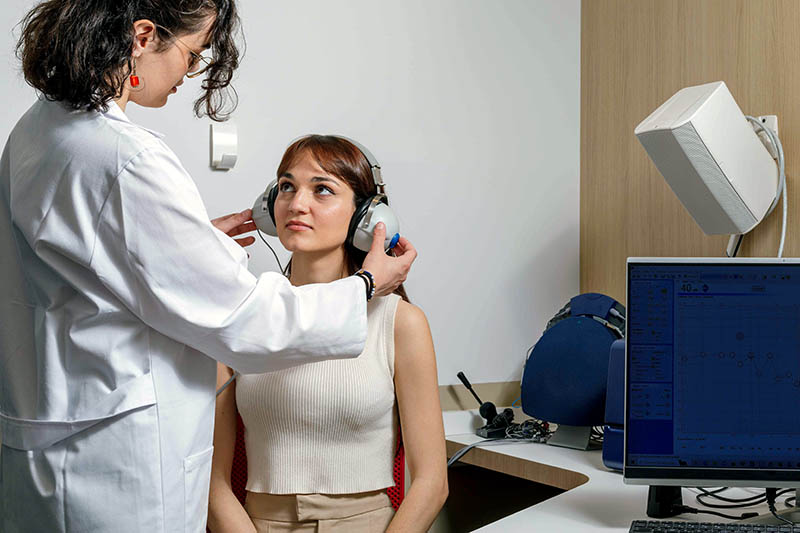
Hearing tests are vital in assessing an individual’s hearing ability across the full range of audible frequencies. These examinations are crucial in determining the extent of hearing loss and identifying tailored solutions for specific needs. Comprehensive hearing tests are conducted in a soundproof booth, where the individual responds verbally or uses a clicker to indicate their ability to hear various tones and frequencies. This process provides a thorough understanding of the individual’s hearing abilities and ensures appropriate recommendations are made to address hearing-related concerns.
When to Schedule a Hearing Test
The frequency at which hearing tests should be conducted varies by age and is a matter of general advice. We recommend that children undergo hearing tests every two to three years, while adults should have their hearing tested every three to five years. Individuals aged 50 and older should have tests every two years, while those aged 60 and older should have annual hearing tests yearly. However, the testing frequency may be subject to variation on a case-by-case basis, particularly in cases where symptoms of hearing loss are present.
There are many signs or symptoms that indicate you may need to schedule a hearing test. For example, you may need to meet with a hearing health professional if:
• You find it hard to engage in conversations with others, especially in noisy or crowded environments or when more than one person is talking.
• You find that you are asking others to repeat themselves.
• You are constantly adjusting the volume settings on your phone, TV, or other devices – at volumes that others say are too loud or uncomfortable.
• You notice a buildup of earwax or discharge on your pillows after waking up after sleep.
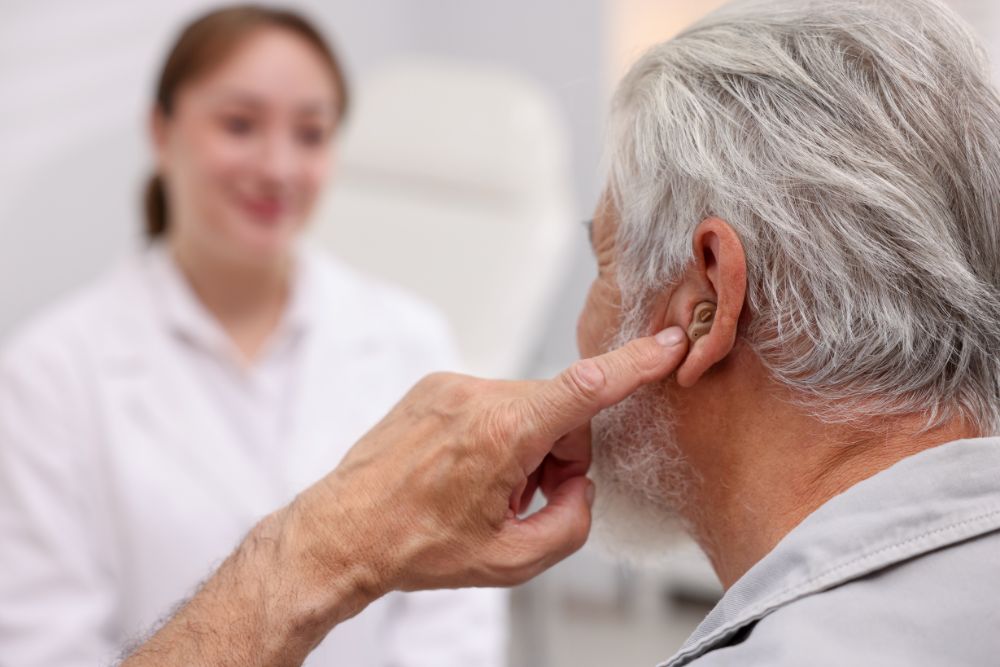
An individual experiencing hearing loss will typically experience several of the symptoms listed above, though it impacts every person slightly differently. If the above symptoms feel familiar or you’ve noticed any sudden changes to your hearing, contact your hearing health professional today. They can perform tests and analyses to evaluate your hearing health, supplying beneficial advice and aid. For instance, they can provide invaluable tools and information for reducing symptoms. Their support can have a tangible impact on your hearing health and well-being.
Frequently Asked Questions
Regular hearing testing is important because it helps detect hearing loss early, allowing individuals to access appropriate treatment and support. Early diagnosis can prevent further deterioration and improve quality of life by addressing hearing-related challenges promptly.
Hearing tests are conducted in a soundproof booth where the individual responds to various tones and frequencies through verbal answers or a clicker. This comprehensive assessment evaluates hearing ability across the full range of audible frequencies, helping to identify the extent of hearing loss and the best solutions.
The recommended frequency of hearing tests depends on age: children should be tested every 2-3 years, adults every 3-5 years, individuals over 50 every 2 years, and those over 60 annually. However, the presence of symptoms or changes in hearing may require more frequent testing.
Common signs include difficulty following conversations in noisy environments, frequently asking others to repeat themselves, needing to increase volume on devices, and noticing earwax buildup or discharge. Experiencing any of these symptoms suggests it’s important to see a hearing professional.
Yes, hearing loss can negatively impact both physical and mental health. It can lead to social isolation, depression, and cognitive decline if left unmanaged, making early diagnosis and treatment through hearing tests essential for maintaining overall well-being.
If you notice sudden changes in your hearing, it is important to contact a hearing health professional promptly. They can perform thorough tests and provide advice or treatment to address the issue and protect your hearing health.