
You may have heard of the term, gluten, the binding agent found in many grains. Gluten acts like a “glue” and helps food maintain their shape. Comprised of two main proteins, gliadin, and glutenin, gluten is found in grains such as durum, barley, Kamut, rye, spelt, farro, and wheat. Currently, gluten is added to all sorts of processed foods, including pastries, cookies, condiments, ice cream, cakes, beer, as well as cereals.
Nowadays, gluten is a controversial topic, with many individuals on each side of the fence. Even though there is a debate about the dangers of gluten, many people are able to tolerate gluten. However, some individuals have a sensitivity to gluten and cannot process it without having adverse effects. For people who suffer from certain health conditions, such as celiac disease, eating gluten can cause problems. When an individual who has a gluten allergy or sensitivity eats gluten, their body responds as if it was under attack. With the ingestion of gluten, the body attacks the proteins with histamine and immunoglobulin E antibodies. Acting like it is a dangerous threat.
Wondering what grains are on the gluten free list? Here is a list of gluten-free grains:
• Buckwheat
• Millet
• Corn
• Amaranth
• Flax
• Arrowroot
• Tapioca
• Rice
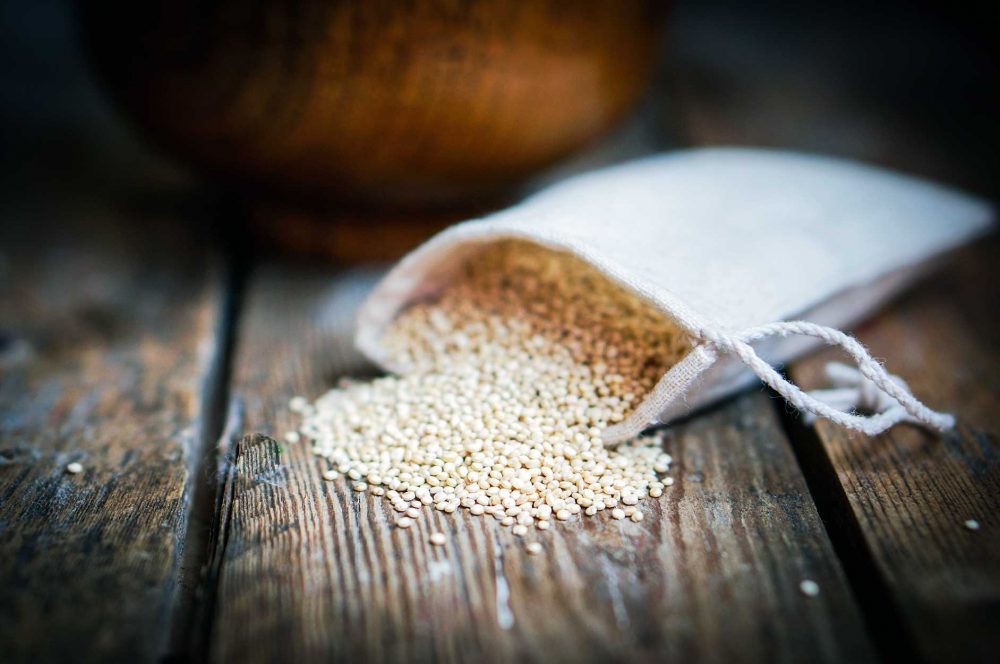
• Quinoa
• Teff
• Sorghum
While many people are aware of gluten’s effects on a person’s skin and digestive system, current research is showing that there could be a link between gluten free and hearing loss. Gluten can cause a temporary reduction in hearing and can cause a decrease in tinnitus, as well as ear congestion in individuals who are gluten sensitive. Histamine levels that rise after the ingestion of gluten can affect the soft tissues in your ears, and this can lead to swelling. Swelling in the ears causes congestion, which can result in fluid buildup within the ear and can cause temporary hearing loss. Recently, a study was published in the journal, Laryngoscope, which identifies the connection between Meniere’s and wheat. Here is the abstract from the study:
“Wheat is one of the most common food allergens found in patients with Meniere’s disease (MD). Gluten from wheat has been identified to have an etiopathogenetic role in celiac disease, IgE hypersensitivity to wheat disease, and recently to gluten sensitivity.
The aim of this study was to verify the incidence of gliadin prick test response in patients affected by MD.There were 58 adult patients with definite MD, 25 healthy volunteers, and 25 patients with grass pollen rhinoconjunctivitis tested with skin prick test to gliadin.
A total of 33 MD patients (56.9%) proved to be sensitive to gliadin, eight of whom were positive to prick test after 20 minutes, 13 after 6 hours, 11 after 12 hours, and one after 24 hours.”
All in all, while a gluten-free diet is not required for everyone, for those who are gluten intolerant staying away from the gliadin and glutenin grains could possibly help you prevent certain hearing conditions.
Frequently Asked Questions
Gluten is a binding agent comprised of two main proteins, gliadin and glutenin, found in grains like wheat, barley, rye, spelt, farro, Kamut, and durum. It is also commonly added to various processed foods such as pastries, cookies, ice cream, and beer to help them maintain their shape.
Gluten-free grains include buckwheat, millet, corn, amaranth, flax, arrowroot, tapioca, rice, quinoa, teff, and sorghum. These grains do not contain gliadin or glutenin proteins, making them safe alternatives for people with gluten sensitivities or celiac disease.
Individuals with celiac disease, gluten sensitivity, or a gluten allergy should avoid gluten because their bodies respond negatively, triggering immune reactions that cause various adverse effects such as digestive issues and skin problems. Eating gluten can cause the immune system to attack the proteins, leading to symptoms associated with these conditions.
Yes, gluten sensitivity may cause temporary hearing reduction, tinnitus, and ear congestion. Histamine released after gluten ingestion can inflame soft tissues in the ears, leading to swelling, fluid buildup, and temporary hearing loss. Research also shows a link between gluten sensitivity and Ménière’s disease in some patients.
A study published in the journal Laryngoscope found that wheat, a common allergen, may play a role in Ménière’s disease. The research tested patients with Ménière’s disease and found that over half showed sensitivity to gliadin, a component of gluten, indicating a possible connection between gluten and this inner ear disorder.
No, a gluten-free diet is not necessary for everyone. It is mainly recommended for individuals who are gluten intolerant or have conditions like celiac disease or gluten sensitivity. For these individuals, avoiding gluten-containing grains can help prevent health issues, including certain hearing conditions.