
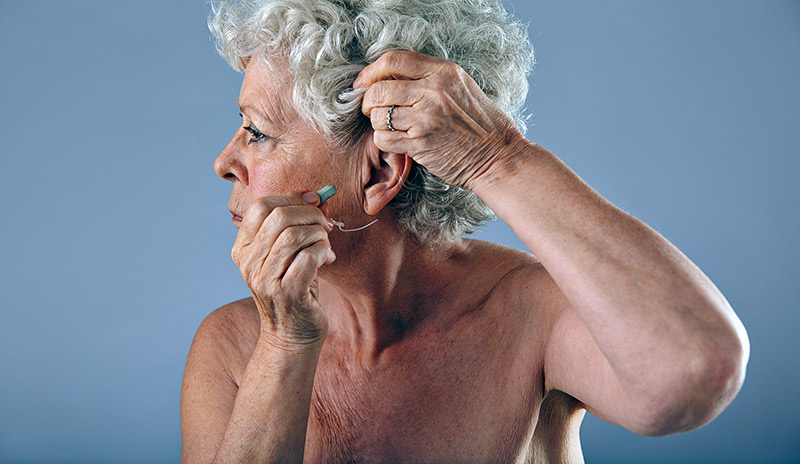
We know that hearing loss often occurs as we age, but there can be other circumstances that can cause limited or loss of hearing. However, can hearing loss negatively affect your health? Current studies are indicating plausible connections between different diseases and hearing loss. The links between hearing loss and health are becoming more evident. In interminable conditions, for example, dementia and diabetes, it has been discovered that hearing loss can be either the symptom or even the reason for these conditions.
Hearing loss is a frustrating part of life, but there are hidden risks to hearing loss that one must be aware of. Besides hearing loss, diabetes is another one of America’s widespread health concerns. According to the American Diabetes Association, an estimated 34.5 million Americans have some degree of hearing loss, and an estimated 30 million have diabetes. Unfortunately, these groups are large, and there seems to be some overlap. While it is not known how diabetes and hearing loss are related, a recent study revealed that hearing loss is twice as likely to occur in people with diabetes, then in those who don’t have this condition. If that isn’t bad enough, the rate of hearing loss is 30 percent higher for those who have prediabetes.
Recent research from Johns Hopkins has recently discovered that hearing loss can be linked to falls, walking problems, and dementia. In 2014, Frank Lin led a study in which 639 adults were tracked for almost 12 years, and it was found that cognitive degeneration was 41 percent greater in those with hearing loss. In addition, it was also discovered that mild hearing loss doubled a person’s risk for dementia, while moderate loss tripled your risk, and severe impairment makes you five times more likely to develop dementia compared to those with normal hearing. While these are some scary risks, it remains to be seen if hearing loss in itself is the culprit for shrinking brain tissue, but it is a good possibility. Other findings have also revealed a possible correlation between dementia and hearing loss:
• The risk of social isolation is much higher in those who suffer from hearing loss. The lack of stimulation can cause a decrease in brain stimulation, thus negatively affecting the brain.
• Reduction in stimulation may cause the brain cells to shrink. Imaging studies of the brain revealed that there is less gray matter in the part of the brain that receives and processes sounds.
• The decline in cognitive functions can possibly happen as one struggles to understand and decipher words and sounds. As a result, memory capacity can decrease as people use certain brain functions to listen.
• Circulatory strain could also play a part because hearing and blood pressure both share a physiological pathway.
So how might you protect yourself? Live a healthy lifestyle and schedule regular visits with your local hearing professional.
Frequently Asked Questions
Yes, hearing loss can negatively impact overall health. Studies indicate links between hearing loss and conditions like dementia, diabetes, and increased risk of falls. Hearing loss may contribute to cognitive decline, social isolation, and circulatory strain, all of which can worsen health outcomes.
Research shows that people with diabetes are twice as likely to experience hearing loss compared to those without diabetes. Additionally, individuals with prediabetes have a 30 percent higher chance of hearing loss. While the exact relationship is not fully understood, there is clear evidence of overlap between these conditions.
Hearing loss is associated with an increased risk of cognitive decline and dementia. Studies have found that even mild hearing loss doubles the risk of dementia, moderate hearing loss triples it, and severe hearing loss increases the risk fivefold compared to those with normal hearing. Reduced brain stimulation and social isolation from hearing problems may contribute to this link.
Yes, individuals with hearing loss are at higher risk of social isolation due to difficulty communicating and decreased interaction. This lack of social engagement can reduce brain stimulation, which potentially contributes to cognitive decline and other negative health effects.
Imaging studies suggest that hearing loss may cause a reduction in gray matter in brain regions responsible for processing sounds. This brain tissue shrinkage could be due to a lack of auditory stimulation, which contributes to cognitive challenges and memory decline seen in people with hearing loss.
Hearing loss has been linked to a higher likelihood of falls and walking difficulties. These risks might be related to decreased spatial awareness and balance challenges stemming from impaired auditory input, highlighting the broader impact of hearing loss on physical health and safety.
To mitigate health risks associated with hearing loss, people should maintain a healthy lifestyle and seek regular evaluations from hearing professionals. Early detection and management of hearing loss can help reduce risks of cognitive decline, social isolation, and other related health issues.