
As the winter ends and we move into spring and summer, more open doors appear. We are finally able to escape the house after the long winter and appreciate the warmer air. However, the warmer temperatures and outdoor possibilities can leave your ears vulnerable to the loud clamors of the outside world. The longer we are around these loud noises, the more we put our hearing at risk. Now, we aren’t saying that you should not go out and enjoy that lovely spring day just because the noise level, but you should be aware of the risks so you can take preventative measures.
As the weather warms up, remember that taking precautionary action is the best form of prevention, and it can work wonders for your health and ears! So if you want to spring into better hearing, check out our helpful spring hearing tips that will help you learn how to safely handle some of those common spring and summer outdoor sounds.
Doing Lawn Work?
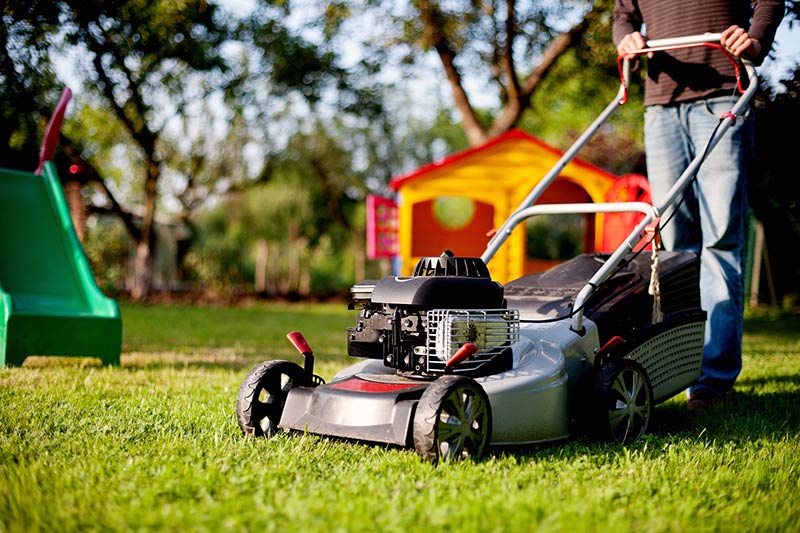
One of the drawbacks to more pleasant climate implies an increase of yard work. Your grass needs to be trimmed, cut and maintained. If you have a garden, that’s another area that will need tending too. The major disadvantage is that many of these garden undertakings often involve loud, boisterous sounds that can damage your ears. For example, operating a chainsaw or a lawnmower outside can rapidly bring about a brief case of tinnitus. Tinnitus can cause you to perceive ringing, whooshing or humming sounds in your ears that are not actually there. While many individuals may be enticed to cover these sounds with loud music, this is not a smart move. Playing loud music to cover up the noise will only increase your risk of damaging your hearing. Want to know the best way around this? Wear noise-cancelling headphones, earmuffs, or wear ear plugs to help decrease the decibel levels and save your hearing.
Watching Fireworks?
There is nothing more American than seeing the astonishing presentation of dynamic hues and streams of illumination in the night sky. While fireworks are beautiful and breathtaking, we certainly underestimate the measure of stress we put our ears through when witnessing a firework show. Firecrackers, for the most part, deliver around 150 dB levels, which can and will damage your hearing. The way around this is to try to watch that firework show from a safe distance. Unless your view is obstructed, fireworks can be seen from just about anywhere. However, if you do find yourself close, wear protection. Wearing ear plugs is an excellent way to reduce the noise level by nearly 30 decibels, so you can still hear the show, but the noise level will not be cranked up as high.
Going Swimming?
There is nothing better than going for a refreshing swim on a hot summer day. However, the water can pose a threat to your ears. Swimming and ducking your head under water on a hot summer day can bring about Swimmer’s ear. Swimmer’s ear is a painful condition that can not only diminish your ability to hear, but can create ear wax buildup, pressure, and itchiness in the ears. Swimmer’s ear is extremely common during the summer and can be very painful. As indicated by the Centers for Disease Control and Prevention, Swimmer’s ear, or otherwise known as Otitis Externa, creates more than 2.4 million hospital visits in the United States each year. However, you can protect yourself by wearing a swim cap or a pair of earplugs every time you go swimming to diminish your odds of infection significantly. Also, be sure to dry your ears with a towel or carefully with a hair dryer after leaving the water.
Frequently Asked Questions
Lawn work often involves loud equipment like lawnmowers and chainsaws, which can cause temporary or permanent hearing damage such as tinnitus. To protect your ears, wear noise-cancelling headphones, earmuffs, or earplugs to reduce noise levels and prevent hearing loss. Avoid covering the noise with loud music, as that can worsen the damage.
Fireworks produce sounds around 150 decibels, which is loud enough to damage your hearing. To minimize risk, watch firework shows from a safe distance to reduce sound exposure. If you are close to the fireworks, wearing earplugs can lower the noise by about 30 decibels, protecting your ears while still allowing you to enjoy the display.
Swimmer's ear, or Otitis Externa, is an infection of the outer ear canal caused by water exposure that leads to pain, itching, and possible hearing issues. It is common during summer months due to frequent swimming. To prevent it, wear earplugs or a swim cap when swimming and dry your ears thoroughly afterward using a towel or hair dryer.
No, listening to loud music to mask outdoor noises can increase the overall noise exposure and damage your hearing further. Instead, use protective hearing gear like earplugs or noise-cancelling headphones to reduce harmful noise levels safely without increasing risk.
Warmer weather encourages outdoor activities that often involve exposure to loud noises, such as lawn work, fireworks, and swimming. These noises and conditions can increase the risk of hearing damage and infections like swimmer's ear. Being cautious and using preventive measures helps protect your hearing and overall ear health.